

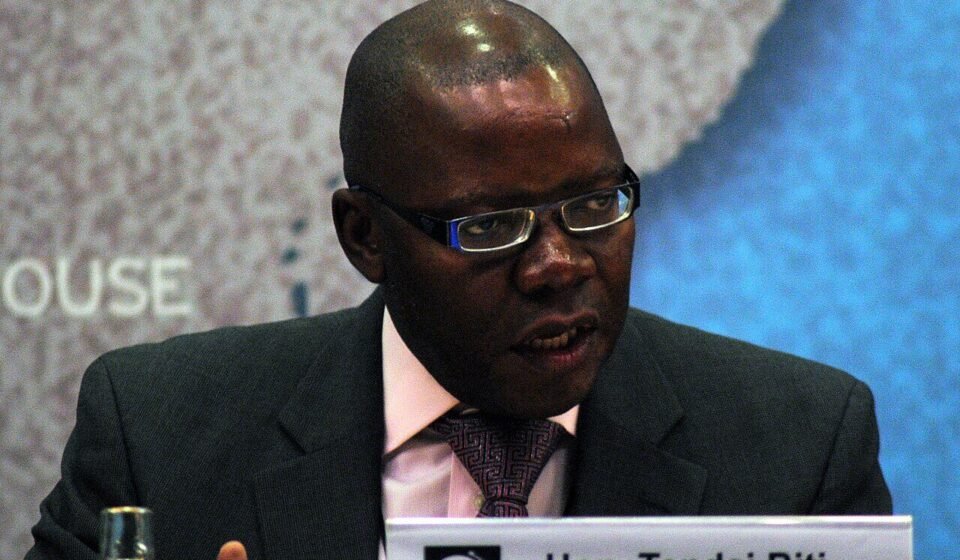
Finance Minister Mthuli Ncube presented a US$12.8 billion budget for 2027 as a plan built on growth and stability. Critics say the plan leaves out much of what ordinary Zimbabweans need. In an exclusive interview, former Finance Minister Tendai Biti attacked the budget in strong terms. Meanwhile, a separate analysis takes a more measured line, but also warns that the budget puts tax collection ahead of production.
What the Government Says
Ncube projects economic growth of 3.5% in 2027, even with the threat of El Niño. The government has pegged GDP at US$66 billion. Revenue collection reached about US$11.6 billion in 2026, and the 2027 budget carries a deficit of about US$300 million.
On paper, these numbers look strong. The budget also includes some welcome tax-relief proposals, according to one independent analyst. However, both critics quoted here say the figures only tell part of the story.
Biti: “We Are Living in a Bubble”
Biti said Zimbabwe has lived in a resource bubble since 2024. He blamed global instability, including the war in Iran and the closure of the Strait of Hormuz. As a result, oil has risen above US$150 a barrel. Gold has climbed above US$5,000 an ounce, up from a range of US$1,700 to US$2,000.
Consequently, mineral exports now exceed US$15 billion. Minerals make up 85.5% of export earnings, and gold accounts for about 60% of that share. “We have become a gold economy,” Biti said.
Yet he said no new factories or industries have opened. Four out of five jobs remain informal. “Is this growth being felt, or is it skin deep, or mascara?” he asked.
Five Issues the Budget Missed
Biti said the budget wastes a rare chance to turn the bubble into lasting development. He named five priorities:
- Infrastructure. He pointed to collapsing roads, dams and power supply.
- Industrialisation and beneficiation. Zimbabwe still exports raw commodities.
- Real macroeconomic stability. He called current stability “managed” and said the ZiG is not liberalised.
- Social spending. Actual spending falls far short of allocations.
- The wage bill. A civil servant earns about US$200 a month, a teacher about US$300 and a judge about US$600.
Gold Incentives and Mutapa
Biti noted that only two firms are licensed to buy gold: Fidelity and Scott Sakupwanya’s Better Brands. Both receive a “gold incentive”. About US$300 million will be paid out in 2026, and US$173 million has already gone. He said the IMF has urged a cap of US$300 million.
He also alleged that the state issued US$1.9 billion in Treasury bills so that Mutapa Investment Fund could buy a 35% stake in Kuvimba Mining House from Kudakwashe Tagwirei. In Biti’s view, this broke Sections 298 and 300 of the Constitution. Those sections require transparent public borrowing and gazetting of debt within 60 days. He called it “odious debt”.
These are Biti’s allegations. The Sunday interview did not include responses from Mr Sakupwanya, Mr Tagwirei or the Finance Ministry.
Spending That Never Arrives
Biti said official execution figures hide the real picture. The budget reports 66% performance, but two votes inflate that number: Public Construction and the Office of the President and Cabinet. By September 2026, he said, only US$42 million had reached health and social services against a US$400 million target. BEAM received US$3.7 million against US$90 million.
He also questioned the GDP figure. According to Biti, the IMF works with about US$45 billion, and a US$66 billion economy would need around 8,000 megawatts of power. Zimbabwe produces about 700 megawatts.
A Different Critique: Revenue Before Production
A separate opinion analysis of the budget reaches a similar conclusion, but through a different route. Its author argues that Ncube’s proposals risk placing revenue collection ahead of the productive activity that sustains tax income. The piece recognises that enforcement matters. It insists, though, that compliance alone does not create jobs.
The author sets out three priorities: meaningful job creation, lower production costs and stronger confidence in the ZiG. Public institutions should also accept the local currency consistently, rather than insisting on US dollars.
The US$500,000 VAT Surcharge
The analyst called the proposed minimum VAT compliance surcharge of US$500,000 per tax period “among the most troubling measures”. It would apply to specified failures, including non-registration, fiscalisation breaches and record-keeping lapses. The author argues the amount is extraordinary for small and medium-sized businesses.
A fair system, the analyst says, must tell deliberate evasion apart from honest error. Otherwise, harsh penalties could push viable firms into informality.
Grain Imports and Drought
The analysis also looks at grain imports. Under earlier measures, certain non-compliant maize imports attract a levy of US$25 per metric tonne. The author accepts that protecting farmers and funding irrigation are legitimate goals. However, the piece warns that licensing hurdles and import costs could slow food imports if drought hits supply.
Property Taxes and Caveats
The proposed stamp duty reaches 7.5% on property transfers above US$300,000. As an example, 7.5% of US$300,000 is US$22,500, though the actual duty depends on the bands that apply. Other costs, such as capital gains tax and agent commissions, may add to the bill.
The analyst also questioned a proposal letting ZIMRA place caveats on property where tax debts remain. Such powers, the piece says, should be transparent, proportionate and subject to fair procedures.
Where the Critics Agree and Differ
Both critics doubt that the budget will change daily life. Both want more spending on productive capacity and less on narrow revenue gathering. They differ in tone and focus, however. Biti makes sweeping political charges about corruption and what he calls a “kakistocracy”. The analyst limits the critique to policy design and economic effects, and acknowledges the budget’s welcome tax relief.
Opposition and the Way Forward
Biti said the collapse of the formal opposition has made things worse. He leads the Constitutional Defenders Forum, which works with Jameson Timba and Lovemore Madhuku. He listed several causes for the weakness: the return of Donald Trump and a transactional US foreign policy, public fatigue, Western disappointment with opposition governments and the growing influence of China and Russia. Still, he expects a revival built on a broad coalition of youth, the diaspora, the church, unions and progressive voices within Zanu PF.
Conclusion
The 2027 Budget promises growth and stability, but its critics question who benefits. Biti warns that “bubbles are not permanent”. The second analyst adds that fiscal discipline “must serve economic development” and not suffocate it. For now, the government has yet to answer the sharpest charges in public.