

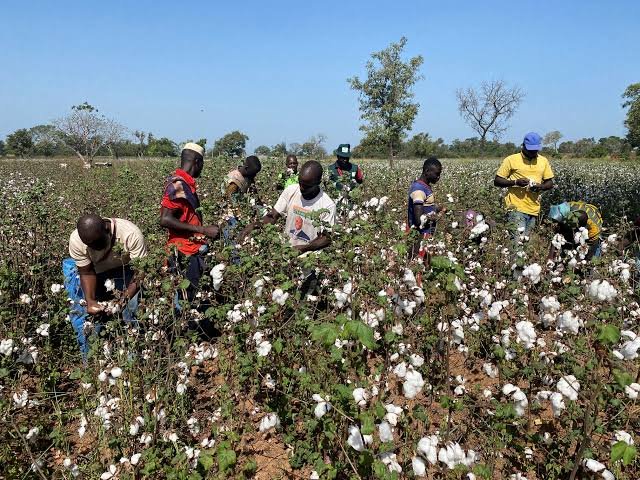
Cottco Rescue and Delisting Put 2027 Cotton Season and Thousands of Farmers in the Balance
Zimbabwe’s cotton industry faces fresh uncertainty. The financial survival of its biggest contractor, Cottco, now threatens the 2027 farming season. In a shareholder circular issued on November 5, Cottco’s rescue practitioners warned that the company’s ability to buy cotton and pay farmers next year depends on completing its financial restructuring on time.
Cottco is also seeking approval to delist from the Zimbabwe Stock Exchange after years of mounting debt, late payments to farmers and falling production. The real concern goes beyond one company: thousands of smallholder farmers depend on it.
How it got here
Cottco’s troubles stem from unrecovered input loans, weak working capital and shrinking harvests. Government programmes and guarantees revived operations from 2016, but the company stayed financially fragile. The 2024 El Niño drought then cut output and left deliveries below break-even.
Farmers have borne the cost. In November 2025, the agriculture minister said Cottco owed growers US$5.6 million from the 2022/23 season and another US$400,000 from the following season. Treasury has paid US$57 million and ZiG 629 million towards arrears across the tobacco and cotton sectors. These are sector-wide figures, not Cottco payments, but they show how stretched agricultural financing is. For farmers, late payment means no money for inputs or labour, and no return to the fields.
In May 2026, Cottco entered voluntary corporate rescue after creditors moved to enforce their claims. Grant Thornton’s Farai Chibisa and Ian Mutetwa are overseeing the restructuring. They say delisting will give room to negotiate with creditors and attract investors. It does not mean liquidation, and shareholders keep their stake in an unlisted company. The open question is whether the rescue can deliver the money the next season needs.
What is at stake
- Rural livelihoods: In Gokwe, Sanyati and Muzarabani, cotton is a major source of cash. Without inputs and prompt payment, farmers will switch crops and incomes will fall.
- Agricultural finance: Cottco’s troubles expose the weak points of contract farming. If lenders lose confidence that contractors can recover costs and pay farmers, financing dries up.
- Foreign currency: Less cotton means less lint to export.
- Industry: Zimbabwe’s textile revival depends on reliable local supply, and Cottco’s planned cottonseed oil venture first needs supply restored.
- Public money: Repeated guarantees and interventions raise a hard question: is the state building a viable business or funding repeated bailouts?
What the season hinges on
Three things: finishing the restructuring in time, securing enough working capital for inputs and purchases, and restoring trust through reliable payments. Even then, recovery will not come unless farmers get viable prices, affordable inputs and predictable payments.
For Zimbabwe, this is not just a corporate rescue. It is a test of whether the country can keep a sector that supports rural families, earns export revenue and feeds local manufacturing. Delisting may buy Cottco time, but it does not guarantee recovery. There is a bigger question too: should the industry depend so heavily on one contractor?
The question for 2027 is this: if Cottco’s rescue is delayed or fails, who will finance the farmers, buy their cotton and pay them?