

The Political Roots of Johane Masowe’s Movement in Colonial Zimbabwe
Story By Dorothy Manyere
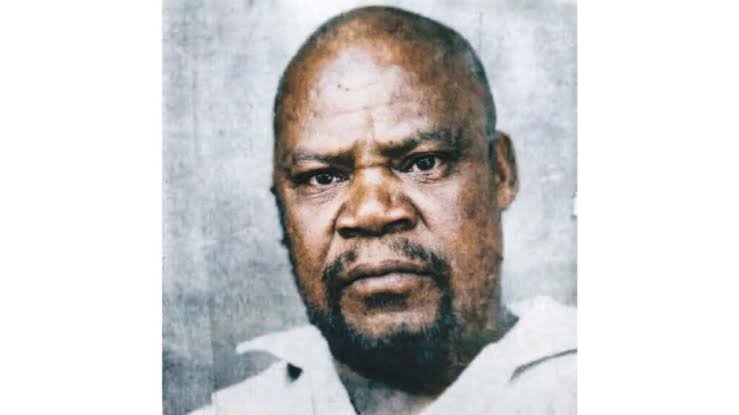
Few religious movements in southern Africa are as closely tied to political resistance as the one started by Shoniwa Masedza. His followers called him Johane Masowe, meaning “John of the Wilderness.” He was born around 1914 in Gandanzara village in eastern Zimbabwe. In 1932, after a serious illness, he said he had a prophetic vision and began preaching. That same year he founded the Gospel of God Church, also called Izwi raMwari, or “Voice of God.” What followed was not just a religious story. It was a long fight with the colonial government.
Pass laws, not passbooks: the real conflict with authorities
Colonial officials in Southern Rhodesia worried about Masowe’s growing influence. Police first arrested him in February 1932 for trespassing in Norton. At the time, he was using a fake name and had no registration certificate — a document Black Rhodesians were legally required to carry. That November, officials brought him in again, still without the right papers.
This was the real core of his conflict with the state: he kept breaking the pass laws that controlled where Black people could go. He refused to follow these rules and kept preaching and baptizing people, even after being arrested and jailed several times. Colonial officials watched him closely, tracking where he went and how much influence he had.
His rejection of the missionary Bible was political too. Scholar Matthew Engelke has called this rejection an act of defiance against the colonial state. At the time, reading and owning books were tightly controlled tools of power.
Growing under pressure
Harassment from the government kept pushing the movement to new places instead of shutting it down. Facing pressure from officials and local chiefs, Masowe’s followers looked for a new home in South Africa. By the early 1940s, they had already made several trips to the Transvaal region. They eventually settled in Korsten, a poor area of Port Elizabeth. There, the group organized itself and became known as the “Korsten Basketmakers,” named for the baskets and crafts they made to support themselves.
That settlement ended with one of the movement’s biggest political events: a mass deportation. On June 7, 1962, the first trainload of Basketmakers arrived back in Southern Rhodesia at Plumtree. In total, South Africa deported 1,880 people, paying for the transport itself. But instead of destroying the movement, this only pushed it further outward. Many of the deported members settled in Zambia, and from there the church spread across central and east Africa. Masowe himself later lived in Dar es Salaam, Arusha, and Nairobi. By 1974, the church had members in nine African countries: Rhodesia, South Africa, Botswana, Mozambique, Zambia, Tanzania, Malawi, Kenya, and Zaire. Later, communities also formed in Britain and North America.
What’s history and what’s tradition
It helps to separate what’s documented from what’s part of the church’s faith. Church tradition — recorded by researcher Clive Dillon-Malone from the movement’s own sacred stories — says an angel freed Masowe from prison, similar to the story of Peter’s escape in the Bible’s Book of Acts. These stories of miraculous jailbreaks matter deeply to the church and its members. But they come from oral tradition, not from the colonial arrest records. Those records show fines, hearings, and short jail stays — not escapes.
Why this political history matters
As a religious story, this is about prophecy and healing. As a political story, it shows how everyday colonial rules — pass laws, ID documents, and restrictions on movement and gathering — became the battleground where an independent African church fought for its own freedom. Masowe built a movement that spanned a continent, with no foreign money and constant persecution from the state. That’s a big reason historians see him as an important figure in both African politics and African religious history.

Proud to be a member of masowe
Thanks for sharing
It is so well keep up the good work.