
Are those celebrating Chivayo’s death immoral, or is the system that produced him to blame?
Story By Staff Reporter
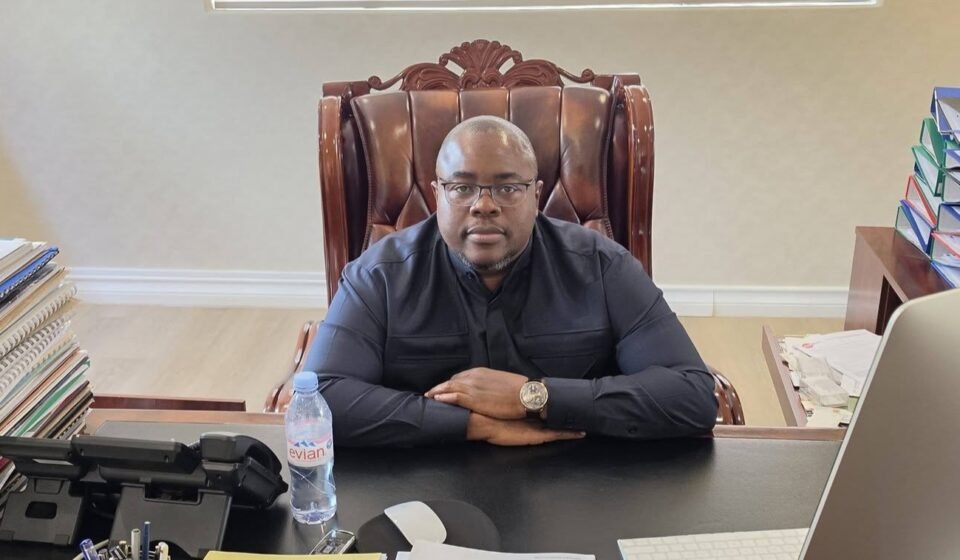
On 30 September 2026, Wicknell Chivayo, the Zimbabwean businessman who styled himself a billionaire, died in a helicopter crash. His wife and four others died with him. He was 43.
Celebratory posts spread on social media before his family or the Zimbabwean police confirmed his death. Politicians across the continent have since offered condolences. Yet thousands of Zimbabweans, Kenyans, Tanzanians and other Africans keep cheering the news.
Out of context, this looks cruel. Some call it “unAfrican” and at odds with Ubuntu, the philosophy that runs through our cultures and spirituality.
I disagree. People have the right to grieve, or to refuse to grieve, according to how they felt about the person. I do not accept that we must speak no ill of the dead.
A life of convictions and controversy
To understand the reaction, we must look at the controversies that trailed Chivayo. Beyond his flaunted luxury, his record included criminal convictions, contested state tenders and persistent public scandal.
He served three years in Chikurubi Maximum Security Prison after a 2004 conviction for theft by false pretences and illegal foreign-currency dealing. In 2005, a court handed him a separate five-year sentence for money laundering.
Still, his political entanglements fuelled the deepest resentment.
In 2017, parliament investigated multimillion-dollar power contracts he failed to deliver, in a country that has struggled with electricity shortages for decades. In 2024, the Zimbabwe Anti-Corruption Commission (ZACC) examined a disputed Zimbabwe Electoral Commission (ZEC) tender worth up to R1.8 billion. Leaked reports alleged inflated costs and money flowing to Chivayo. A year ago, a dossier tied him to an alleged cartel accused of draining nearly R65 billion from state assets.
Ties to heads of state
Chivayo cultivated links with several African leaders, many of them questionable.
Kenya
His closeness to Kenya’s President William Ruto drew intense scrutiny. Just over a month ago, Chivayo shared a widely viewed selfie video. It showed the president driving him to a helicopter after a traditional engagement celebration for Ruto’s daughter at the family home in Kilgoris. Kenyan opposition figures and commentators repeatedly questioned how he gained such easy access to the highest office.
Ruto himself faces corruption accusations. In 2025, he placed second in the Organised Crime and Corruption Reporting Project (OCCRP) Corrupt Person of the Year award after receiving tens of thousands of public nominations. That same year, former officials, including ex-Cabinet Secretary Justin Muturi and former Deputy President Rigathi Gachagua, publicly accused him of systemic corruption, war profiteering and links to illicit gold trading and regional conflicts. Watchdogs such as AfriCOG have also criticised Kenya’s public debt and mismanagement of funds.
Reports by groups like SwissAid underpin the war-profiteering claims. They say Kenya has become a major transit hub for illicit gold smuggled from conflict-torn countries such as Sudan, South Sudan and the Democratic Republic of the Congo. Gachagua specifically alleged that Ruto held private business meetings at State House with Mohamed Hamdan Dagalo, known as Hemedti, leader of Sudan’s Rapid Support Forces (RSF). He claimed the meetings facilitated the movement of gold through Nairobi to Dubai.
No one ever linked Chivayo himself to gold smuggling. However, the Hawks arrested his brother, Joacham Chivayo, in South Africa in November 2024 over the alleged possession of unwrought gold worth R15 million. Authorities suspected someone had smuggled it from Zimbabwe. The arrest raised questions in both Zimbabwe and Kenya.
Tanzania
Chivayo drew fierce criticism after meeting President Samia Suluhu Hassan at State House in Dar es Salaam. Critics, including Humphrey Polepole, Tanzania’s former ambassador to Cuba, condemned the meetings as inappropriate influence-peddling. They pointed to his criminal convictions and opaque state tender deals.
Tensions escalated when the Tanzania Communications Regulatory Authority (TCRA) raided JamiiForums and suspended it for three months. The platform is a prominent whistleblowing and discussion forum. It had published reports and photographs detailing Chivayo’s relationship with the presidency ahead of last October’s elections.
Officials declared Suluhu Hassan the winner with roughly 98% of the vote after barring major opposition candidates. That prompted allegations of electoral manipulation and calls for a voter boycott. Youth-led demonstrations erupted in Dar es Salaam, Arusha, Mwanza and Kigoma. Road blockades, a nationwide curfew and an internet blackout followed.
The official state figure puts the death toll at more than 518. Human rights organisations estimate around 1,000. Reports say police and security services killed nearly 200 people with live ammunition. Hundreds remain missing.
Wealth amid poverty
The Chivayo whose death people celebrate online associated with, and defended, leaders with troubling records. He gave luxury vehicles and cash to ZANU-PF officials, musicians and religious figures amid widespread national poverty. When Zimbabweans appealed for more meaningful charity, such as contributions to the failing public healthcare system, he arrogantly dismissed them.
It is both tragic and ironic that Harare had to send ambulances and emergency services to the crash site in rural Marondera, just over an hour away. Marondera had more than 66,000 residents in the 2022 Census. Yet it lacks the healthcare infrastructure to respond alone and relies on Harare, some 70 kilometres away.
The online celebrations highlight this part of the story. A compromised, politically connected man owned mansions, including one reportedly worth R160 million in Cape Town’s exclusive Clifton suburb. He also owned luxury vehicles and a watch collection worth millions of dollars. He flaunted it all online, in a country where millions live below the poverty line.
Who is celebrating?
Condemning the thousands who celebrate or shrug is easy. Before we do, we should understand who they are. They are not inherently cruel. Corrupt leadership has pushed them to the margins and made their lives and countries unbearable.
Many are men and women who buried loved ones after a Chivayo associate won a disputed election and then unleashed the state’s monopoly on violence against them.
A punishing cost-of-living crisis crushes others, in a country where the president’s own associates accuse him of war profiteering.
Sudanese, South Sudanese and Congolese people also number among them. Violent conflicts over minerals that never get beneficiated at home have made their lives precarious.
Zimbabweans in the diaspora are part of this crowd too. People call them “makwerekwere” and give them deadlines to leave countries where they are seen not as people desperate to make a living, but as the cause of the socioeconomic problems tearing South Africa asunder.
Small-business owners belong here as well. Their enterprises are closing despite their best efforts, while a convicted criminal accessed billions of dollars in state contracts.
These people refuse to mourn Chivayo. Treating them as the problem renders their pain and struggles invisible. To me, that is where the true immorality lies.