

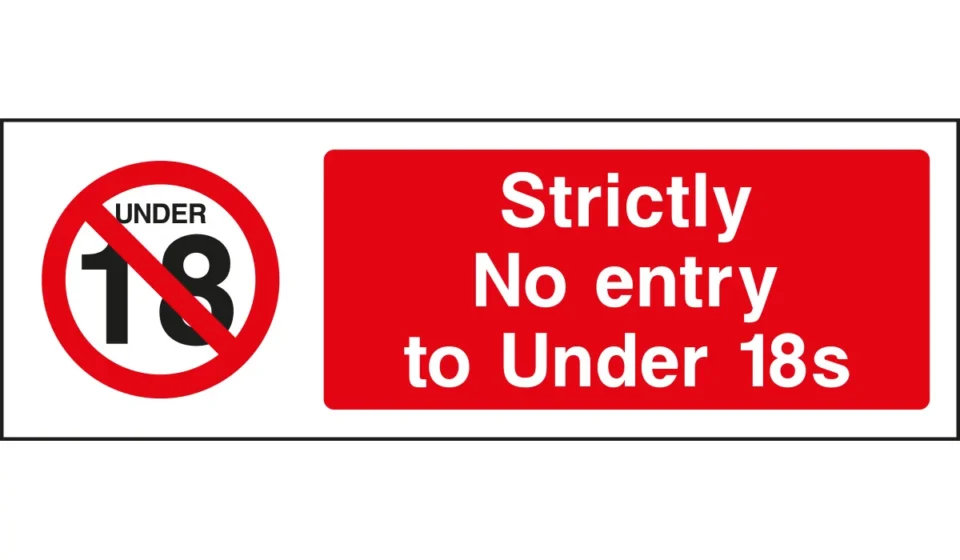
No Under 18 in Ghetto Bars: Why Zimbabwe’s High-Density Suburbs Need Stricter Enforcement
Story By Dorothy Manyere
This is a public-interest piece examining gaps in child protection enforcement in Zimbabwe’s high-density suburbs. It is written to raise awareness and encourage stronger regulatory response, not to sensationalize the issue.
In the dusty streets of Kuwadzana, Gazebo, and countless other high-density suburbs across Zimbabwe, a troubling pattern has become almost invisible through sheer familiarity. Walk into any local bar on a weekend afternoon, and you may find children as young as 13 sitting among adults — some there simply to watch football, others present for reasons far more concerning.
A Normalized Danger
In many ghetto communities, seeing an underage teenager inside a bar barely raises an eyebrow. Ask why, and the answer often comes back the same way: “Who are you to question it?” This normalization is precisely what makes the problem so difficult to address. When a community stops noticing a warning sign, that warning sign stops getting the attention it needs.
Unlike bars and nightclubs in more affluent or heavily monitored areas, many informal drinking establishments in high-density suburbs operate with little to no age verification. There are no bouncers checking identification, no formal licensing conditions tied to child protection, and — critically — no consistent inspection regime from local authorities to enforce the laws that already exist on paper.
Why Are Children Ending Up in These Spaces?
The reasons are varied, but they share a common root: poverty and a lack of alternatives.
For many young people, a bar with a television screening football may be the only accessible entertainment space in the neighborhood. That alone explains part of the pattern.
A harder truth lies underneath it, though. Community members describe how hardship at home can push some minors toward informal, unregulated arrangements with adults inside these spaces — arrangements that place them at serious risk of exploitation. Separately, and just as concerning, the absence of age checks means minors are sometimes exposed to alcohol, and in some cases to the broader circulation of illicit substances on the premises. These are distinct risks, but they share the same root cause: environments with no oversight and children with nowhere safer to go.
When community centers, libraries, and youth programs are underfunded or simply don’t exist, bars end up filling a vacuum they were never meant to fill.
This is not a story about children behaving badly. It is a story about surroundings that offer no protective alternative, and about adults — including bar owners and, at times, enforcement officials — who choose to look away.
Why Inspections Matter — and Why Bribery Undermines Everything
The legal framework to protect children from these environments already exists in most jurisdictions. What is missing is consistent enforcement. Two things are essential to closing that gap.
Frequent, unannounced inspections. Sporadic or purely reactive enforcement allows bar owners to “clean up” ahead of a scheduled visit and return to business as usual afterward. Regular, surprise inspections remove that loophole and create a genuine deterrent.
Zero tolerance for bribery. Corruption is often the real reason strong laws fail to protect anyone. When an inspector can be paid to look the other way, the entire system meant to protect children collapses at its weakest point. Transparent reporting, rotating inspection teams, whistleblower protections, and independent oversight all help close that opening.
Together, consistent inspection and anti-corruption safeguards send a clear message: allowing children into these spaces carries real consequences for the businesses that permit it.
Beyond Enforcement: A Community Responsibility
Law enforcement alone cannot solve this. Local leaders, parents, teachers, and community organizations all have a role to play — building safe recreational alternatives for young people who have no other options, encouraging neighbors to report rather than normalize the presence of minors in these venues, and supporting economic programs that ease the poverty pressures driving children toward these environments in the first place.
A Path Forward
The presence of underage children in high-density bars is not an unfortunate accident — it is the predictable result of weak enforcement, economic hardship, and community silence. The path out of it is well understood, even if it isn’t yet consistently applied: sustained, corruption-free inspection regimes, paired with real investment in safer alternatives for young people.
Where this has been tried elsewhere — through joint community-police patrols, whistleblower-protected reporting lines, and youth recreation funding — the pattern has started to shift. That is the model worth pursuing in Kuwadzana, Gazebo, and every high-density suburb facing the same silent crisis.


Get me in