

Ultra-Processed Foods Linked to Silent Brain Damage, Canadian Study Finds
Story By Staff Reporter
Canadian researchers have found a link between ultra-processed foods and early signs of brain damage. These changes can raise the risk of stroke and future memory problems. They appeared in otherwise healthy adults.
What the Researchers Found
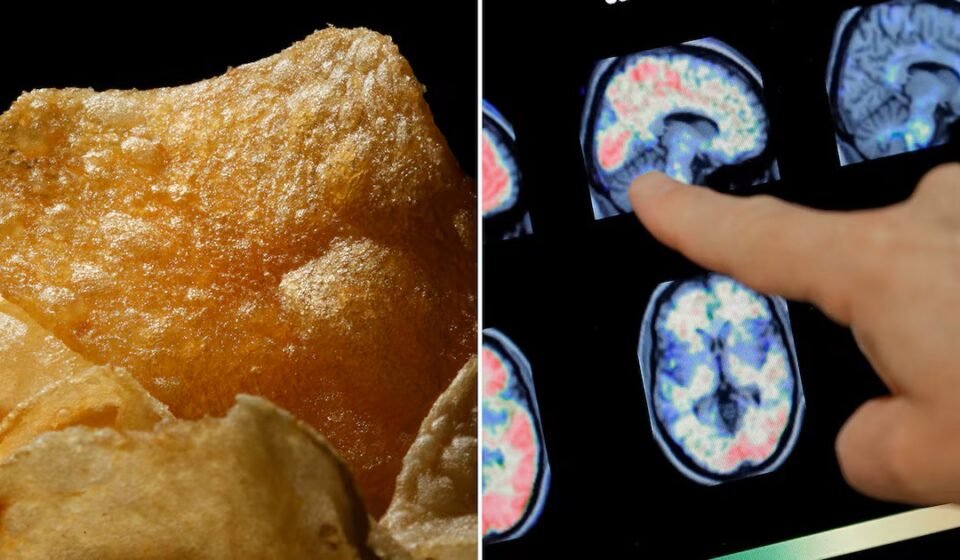
The team used MRI scans to examine the brains of about 9,000 participants, aged 35 to 69. They found small areas of brain damage more often in people who ate large amounts of ultra-processed foods. Examples include soft drinks, packaged snacks and sugary breakfast cereals.
People with the highest intake were 40% more likely to show these changes. The damage often causes no obvious symptoms. Still, it can warn of a stroke or memory problems years before they begin. JAMA Network Open published the study.
An Unexpected Result in Middle-Aged Adults
Russel J. de Souza, the study’s first author, said the findings surprised the team. He is an associate scientist at the Population Health Research Institute (PHRI) of McMaster University and Hamilton Health Sciences.
“Usually, this kind of damage is associated with conditions we hear about and treat at a much older age,” de Souza told Medical Xpress. He noted that the study focused on “middle-aged Canadians who had no heart problems and reported no other health concerns.”
A Stronger Link in Women
The connection between ultra-processed foods and brain damage was stronger among women. Women in the highest consumption group were nearly twice as likely to show signs of damage as women in the lowest group.
Body Fat and Poor Nutrition
Participants who ate the most ultra-processed foods carried more body fat and more visceral fat. Visceral fat sits deep in the abdomen and raises the risk of heart disease.
These foods taste good, but they often lack fiber, vitamins and minerals. They also contain high amounts of sodium, saturated fats and added sugars, according to the CDC.
The researchers noticed another pattern. As ultra-processed food intake rose, nutrient-dense food intake fell. Whole foods like fruits, vegetables and grains made up 41% of daily intake for the highest consumers. For the lowest consumers, they made up 68%.
“Our findings suggest that the link between diet and brain health may be detectable before people experience noticeable problems with memory or thinking,” said Sonia Anand, senior author and senior scientist at PHRI.
How Common Are These Foods?
Ultra-processed foods make up about 55% of daily calories for Americans aged one and older, CDC data shows. The data covers August 2021 to August 2023, and the CDC released it in August 2025. In this study, participants got about 25% of their daily food intake from these foods.
Anand said convenience and wide availability could drive high consumption. She warned that “diets high in these foods may be linked to brain changes that may lead to memory loss and stroke” in the future.
Limits of the Study
The researchers evaluated participants only once and did not follow up. For that reason, they cannot say that ultra-processed foods directly caused the brain changes.
“We need longer-term studies that track people over time with repeated MRI scans to find out whether reducing ultra-processed food intake can slow or prevent these brain changes,” de Souza said. He added that follow-up research is in the works.