

Zimbabwe’s Pageant Boom: Time for Burkina Faso-Style Safeguards
Story By Staff Reporter
Walk through almost any suburb of Harare, Bulawayo or Chitungwiza today, and someone is probably crowning a queen. Township contests include Miss Highfield, Miss Mbare, Miss Budiriro, Miss Glen View and Miss Cowdray Park. Others crown Miss Nkulumane, Miss Chitungwiza, Miss Mabvuku-Tafara and Miss Makokoba. The countryside has Miss Rural Zimbabwe and Mrs Rural. Bulawayo hosts Miss 2K Bulawayo, Miss Mziba and Miss Zone Five, and Gwanda runs Miss Little & Teen Gwanda.
International franchises add more titles. Zimbabwe now has Miss Universe Zimbabwe, Miss World Zimbabwe, Miss Cosmo Zimbabwe, Miss Supranational Zimbabwe, Miss International Zimbabwe, Miss Intercontinental Zimbabwe and Top Model of the World Zimbabwe.
Some contests aim squarely at children and teenagers. They include Miss Teen Elegance Zimbabwe, Miss Teen Luveve, Miss Zim Schools and Miss Innocence Zimbabwe.
The list keeps growing. Zimbabweans must ask three simple questions. Who builds this industry? Who protects the girls inside it? What is it really for?
A growing industry with money and influence behind it
Pageants cost a lot to stage. Venues, hotels, designers, photographers, sound, security, franchise fees and prize packages all need money. Most families in Zimbabwe struggle to pay school fees, so it is fair to ask where the funding comes from. In many cases, the answer appears to be wealthy businesspeople and politically connected figures. They gain visibility, social status and access to young women’s attention when they front or sponsor a contest.
Sponsorship is not a crime, and many organisers are honest people who run legitimate events. But the risk is obvious when money, power and unregulated access to teenage girls share one room. There is no licensing body, no code of conduct and no independent complaints process. Put simply, wealth buys influence. In an unregulated industry, that influence can quietly become control over who wins, who gets “promoted” and who stays silent.
What survivors and industry insiders are already telling us
The warning signs are not new. Zimbabwean media report that some pageant organisers and other influential figures in the modelling industry seek sexual favours from contestants in exchange for crowns. A former Miss International Zimbabwe and Miss Global Zimbabwe has spoken publicly about the “perverts” in the industry. She called for an association that protects the profession and shields young girls from manipulation. She also admitted that organisers create too many pageants that take advantage of girls who simply want to be seen.
This problem goes beyond Zimbabwe. In 2023, the Miss Universe Organisation cut ties with its Indonesian franchise. Contestants alleged that organisers made them strip to their underwear for a “body check” before the final. Six contestants reportedly filed police complaints, and photographers allegedly captured five women topless in a hotel ballroom. The organisers denied involvement, but the franchise lost its licence. If that can happen under a global brand with formal rules, imagine the risk at a small local contest with none.
The latest warning: Zimbabwe Fashion Week
The most recent alarm bell rang at Zimbabwe Fashion Week at The Venue in Avondale. Industry players alleged that models under 18 took part in the showcase. One stakeholder said this is “not allowed at law.” Likewise, another stakeholder urged regulators to step in and hold event producers to statutory rules. That person warned that putting minors on the runway damages the ethical standards of the creative sector.
To be fair and precise, nobody has independently verified these allegations. At the time of reporting, the organisers had not responded publicly. But the story reveals something bigger than one event. When a major fashion platform faces accusations of fielding minors and no regulator visibly checks, a teenager at a township pageant has even less protection.
“Beauty with a purpose” is not a safeguard
Pageant organisers often point to charity projects and empowerment slogans. Indeed, some contestants do achieve real things. Miss World Zimbabwe’s Brunette Makanyiso, for example, reached the Top Six African finalists in the Beauty With a Purpose challenge. Pageants have opened doors for some women, and we should say so honestly.
But slogans do not protect anyone. A charity project does not make a hotel room safe. A sash does not replace a chaperone, a written contract or a legal age check. Empowerment language cannot stand in for enforceable rules.
What Burkina Faso has done
On 8 June 2026, Burkina Faso’s Ministry of Communication, Culture, Arts and Tourism suspended all beauty pageants nationwide. As a result, officials will issue no new permits for national, regional or local contests until a new regulatory framework exists. The authorities say they want contests to respect the country’s cultural identity, social values and human dignity.
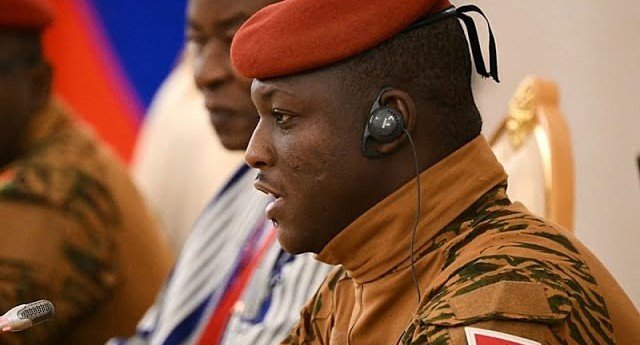
The government then launched HAKILI Mousso, a national competition that tested 84 young women in mathematics, physics and chemistry. Winners won cash prizes, laptops, motorcycles and scholarships. In addition, Captain Ibrahim Traoré hosted them at the presidential palace and stressed female leadership in science as a foundation for national development.
Two points deserve honesty. First, a military-led government runs Burkina Faso. Zimbabwe should copy the principle of regulating a risky sector, not the politics. Second, the suspension is temporary and regulatory, not a permanent ban. It did not formally move pageant money into science funding. Critics reasonably ask whether the government had to suspend pageants to promote girls in STEM. Zimbabwe can learn from the idea without copying every detail.
A Zimbabwean framework: what it should contain
Zimbabwe does not need to switch off pageants overnight. It needs rules, and it needs them now. A practical framework would cover who may run a contest and how contests must run.
Who may run a contest
- Mandatory licensing. Every pageant, modelling showcase and fashion week must register with a designated authority and display its licence. The Ministry of Sport, Recreation, Arts and Culture could lead this work through the National Arts Council and local councils.
- A temporary freeze on new permits for teen and child contests until child-protection rules exist. Contests that put minors on stage, including Miss Teen, Miss Little, Miss Schools and Miss Innocence events, should face the strictest scrutiny.
- Strict age verification for every model and contestant. Organisers who field minors in adult events should face penalties.
How contests must run
- A binding code of conduct. It should ban unsupervised access to contestants, “body checks” and undressing, and private hotel meetings. It should require chaperones for minors and written contracts that spell out what contestants will and will not have to do.
- An independent complaints channel linked to the police and social welfare services. A girl must be able to report abuse without fear of losing her crown or her career.
- Transparency on funding and judging. Organisers should disclose sponsors, franchise agreements and judging criteria. Nobody should be able to buy a crown or trade it for favours.
- Accountability for the “purpose.” If organisers market a title as charitable, they should document the project and report on it.
- Investment in alternatives. Government and the private sector should fund national competitions in science, mathematics, technology, sport, debate, entrepreneurship and the arts. Girls deserve many routes to recognition, not just the runway.
Who should watch over the industry, and why
Three public bodies are best placed to carry the framework. Each already touches a different part of how organisers stage a pageant. Together they close the gaps that organisers currently slip through.
The Ministry of Sport, Recreation, Arts and Culture: the policy-maker
Pageants, modelling showcases and fashion weeks are cultural and entertainment activities. This ministry is the natural home for the national rules. It should set the licensing conditions, the code of conduct, the age-verification standard and the penalties. It should also coordinate with the ministries that handle child welfare, labour and women’s affairs.
Without one ministry holding the pen, every agency can assume someone else is responsible. That is exactly how a case like the Zimbabwe Fashion Week allegations passes with no visible regulator stepping in.
The National Arts Council of Zimbabwe (NACZ): the industry registrar
As the national body for the arts, the NACZ is well placed to keep a register of approved organisers, franchise holders, models’ agencies and events, and to vet them before they run contests. It can also run a complaints desk and blacklist organisers who break the code. Beyond that, the council can set professional standards for chaperoning, contracts and fair judging.
This also answers the call from industry insiders for an association that protects the profession and shields young girls from manipulation. A statutory body carries more weight than a voluntary club that organisers can simply ignore.
Local authorities: the enforcers on the ground
Most contests on the list are neighbourhood and township events, such as Miss Highfield, Miss Mbare, Miss Budiriro and Miss Cowdray Park. Councils control the halls, grounds and venues where these events happen, and they already approve public gatherings. They can ask for proof of the national licence before they book a venue. On the night, they can check that age rules and chaperones are in place. They can also refuse permits to blacklisted organisers.
Similarly, rural district councils matter just as much. Rural contests such as Mrs Rural and Miss Rural Zimbabwe get the least attention, so abuse there is easiest to hide.
How the three fit together
The design is simple: the ministry sets the rules, the NACZ registers and disciplines organisers, and local authorities check compliance at the venue door. Police and social welfare services, meanwhile, remain the route for criminal complaints and child-protection cases.
Lawmakers should confirm the exact legal powers of each body against current statutes before they draft the framework in detail. But the principle holds: no contest should operate without all three bodies knowing it exists.
The choice before us
Nobody is asking Zimbabwe to condemn every contestant or every organiser. The point is that a girl’s safety should never depend on the personal goodness of whoever controls the stage. An industry that grows fast, enjoys backing from powerful people and offers fame to teenagers who often have little else needs rules. The state has a duty to set them.
Burkina Faso has shown that a government can pause, set standards and redirect attention toward girls’ minds as well as their looks. Zimbabwe, however, can build its own version. It should fit our laws, our culture and our constitution, and it should put every girl’s dignity and safety before any crown.