

Chivayo’s Ex-Wife Shares Her Son’s Autism Journey
Story By Staff Reporter
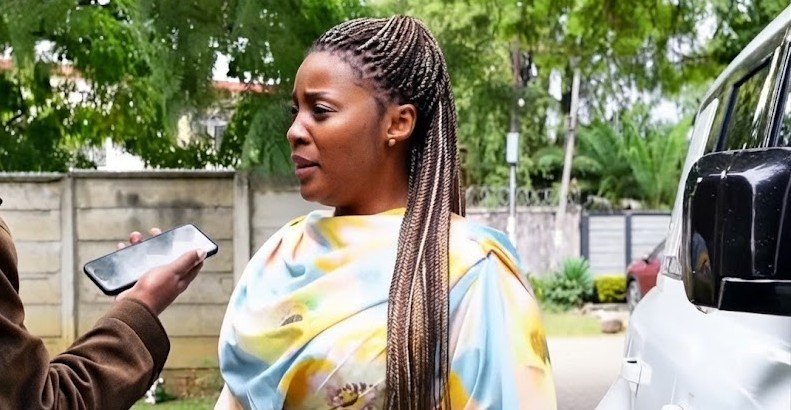
Sonja Madzikanda has spoken openly about raising a son with autism. Her son is also the child of the late businessman Wicknell Chivayo, her former husband. Media reports say the couple had two children together. Madzikanda addressed mothers at a gathering about the condition. She is a Zimbabwean accountant and entrepreneur.
Chivayo died in a helicopter crash on 30 September 2026. The family is grieving, and readers should respect the child’s privacy.
This article summarises Madzikanda’s remarks. However, they reflect her own experience and views, so readers should not treat them as medical advice.
Why She Speaks
Madzikanda says God asked her to share her story. Social media made her son’s condition public long before many Zimbabweans discussed autism. As a result, she faced public scrutiny at a time when few people understood it.
Her son’s early years were hard. At first, he did not talk, and he showed behavioural difficulties. Schools also asked him to leave. Because of this, she took two years out of her life to focus on his needs.
Today, she says, her son talks, attends school and mixes with children his age. She has said that she left work for two years to focus on his welfare, and that her dedication paid off.
Spreading Awareness
Madzikanda says she promised to share her journey publicly. Since then, she has held seminars and small group sessions with mothers, domestic workers, grandmothers and men. She also uses social media to talk about the condition. In addition, she points people to occupational and speech therapists.
She says reported numbers appear to be rising, but nobody knows why. For example, she mentions environmental and social factors as possibilities.
“It’s Not About the Money”
People often assume her resources made things easier. However, she says the home environment matters most. In her view, routines, systems and the people around the child make the biggest difference. She has also said that money alone did not improve her son’s condition.
She shared the story of a father from Chitungwiza who asked for her help. First, she introduced him to her son’s occupational therapist. Then she asked him to find a school that would accept his five-year-old daughter, who had never attended school. After eight months, he sent her videos of the girl singing nursery rhymes. The girl also attended school by then.
Why Gatherings Matter
When her son received his diagnosis, Madzikanda found almost no information. Therefore, she believes shared experience is a powerful resource. The solution one family finds may help another, but it often appears in no textbook or video.
Her gatherings include mothers and the domestic workers who care for their children. Sharing costs nothing, she says. Parents often assume they need thousands of dollars. Instead, she says, small practical ideas from other families can help.
Calls for Policy Change
Madzikanda argues that Zimbabwe must invest in these children’s future. Some will grow up to be leaders and managers, she says. Meanwhile, many receive too little help at school now.
She made several proposals:
- The country should formally recognise these conditions.
- A coordinating body should oversee the issue, because information currently spreads by word of mouth.
- Clinics, hospitals and websites should tell families where to go.
- The government should subsidise therapy, since not every family can afford it.
- Schools should include children who can join, instead of rejecting them automatically.
- Authorities should regulate small schools, so that every child receives a consistent education.
She also criticised the automatic rejection that follows when parents disclose a diagnosis. In her view, schools should help children early instead of writing them off.
Her Advice to Parents
Madzikanda told parents that the road is long and cannot follow a timetable. However, she says the work families do now shapes their lives in five or ten years. Therefore, she urges parents to build routines and systems early, while their children are young.
She also wants schools, creches and day-care centres to help spot issues early. Finally, she says peaceful homes let parents give their children more attention.
What Specialists Say
Autism is a lifelong neurodevelopmental condition, and every child’s experience differs. There is no cure. However, early support and therapy can help children build communication and daily-living skills. Better diagnosis and wider awareness partly explain higher reported numbers, although research continues. Parents with concerns should speak to a doctor, paediatrician or qualified therapist.
Key Points
- Madzikanda, mother of the late Wicknell Chivayo’s son, shares her experience of raising a child with autism.
- Routines, family support and therapy, she says, helped her son progress.
- Early help matters, she tells parents.
- Recognition of autism, subsidised therapy and inclusive schools top her list of demands.
- Her remarks reflect personal experience, so parents should seek professional advice.
This article reports one mother’s views and does not offer medical advice.