

Eastview Residents Pay Goromonzi Council Fees, but Questions Over Stand Ownership Linger
Story By Staff Reporter
Residents say they are paying “to avoid losing their stands” as unserviced land raises concerns over who really owns it
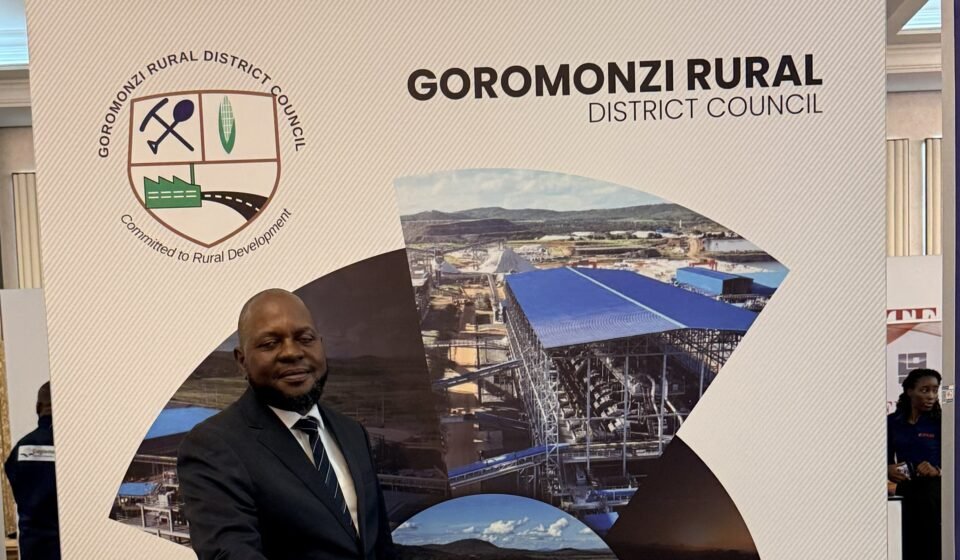
Residents of Eastview, a housing settlement that developed under the Caledonia housing project, are now being asked to pay registration fees to Goromonzi Rural District Council. The move has left many wondering who actually owns the land they have been buying, and whether this payment will be the last.
A new payment, an old uncertainty
Council officials are currently collecting a registration fee of $16 per stand, an exercise that is still ongoing. For many residents, the payment is not the real issue. What troubles them is that the council is only now stepping in to collect money from a settlement that was started and sold under a different arrangement.
According to residents, the council has explained that the initial payment made by the first buyers was less than $50. Those who later bought stands from other people, commonly known as “rebuys,” say they paid far more, with some reportedly paying around $15,000.
That gap has fuelled frustration. Residents who paid thousands of dollars to secure their stands now find themselves asked to pay again, to an authority they did not deal with at the point of purchase.
Unserviced stands, unanswered questions
Eastview residents point out that the stands remain unserviced. There are no formal roads and no drainage system, and basic infrastructure that is normally expected of a legitimately planned and approved housing development is absent.
This has raised serious questions that residents say nobody has answered clearly:
- Who actually owns the land? Is it the council, the government, the original Caledonia project promoters, or someone else?
- Who is responsible for servicing the stands? If residents are paying fees, when will roads, drainage and other services follow?
- Who benefits from the money being collected? Residents want to know how the payments are recorded and what they are used for.
Some residents fear that the situation has attracted people who see an opportunity to profit from those who have already invested their savings. They wonder whether they are dealing with genuine government officials or “mere politicians” looking to exploit an already vulnerable community.
“We are just paying to avoid losing our stands”
One resident said many people are paying out of fear rather than conviction.
“We are just paying so that we don’t lose our stands,” the resident said, adding that the whole process feels like a scam.
That sentiment appears to be widely shared. With many residents having invested heavily, often through informal purchases, the threat of losing a stand outweighs doubts about the process. In practice, people feel they have little choice but to comply.
The question on everyone’s lips
The biggest worry among residents is what comes next. Many are asking whether the $16 registration fee is a one-off payment that will finally formalise their ownership, or only the beginning of a series of charges.
“Is this the last payment, or the beginning of many?” residents are asking.
Without clear communication from the council, residents say they cannot be sure. They are calling for written explanations of what the fee covers, official receipts for every payment made, and a clear timeline for formalising ownership and providing services.
What residents are calling for
Residents say they would like to see:
- Transparency from Goromonzi Rural District Council on the legal status of the land and the purpose of the registration fee.
- Proper documentation that confirms each resident’s ownership once payment is made.
- A clear plan for servicing the stands, including roads and drainage.
- Protection from exploitation, so that residents are not repeatedly charged by unauthorised individuals.
Our take
Informal and partially regulated housing settlements are common around Zimbabwe’s major cities, and they often leave buyers exposed when authorities step in late. The Eastview situation shows how a lack of clarity at the beginning can leave ordinary families vulnerable years later.
Until the council and the relevant government offices provide clear answers, residents will keep asking the same questions: who owns Eastview, what is the money for, and will this be the last time they are asked to pay?

Apa road akuna kueastview ameno kuna mp here uku agadzirisewo road inobva kumabvuku kusvika gazebo chete
Is this council coming for developments also after these payments
Tirikuda kunzwa nyaya yeservicing , when are they putting roads ,drainage system how many years takamirira pasina kana progress