

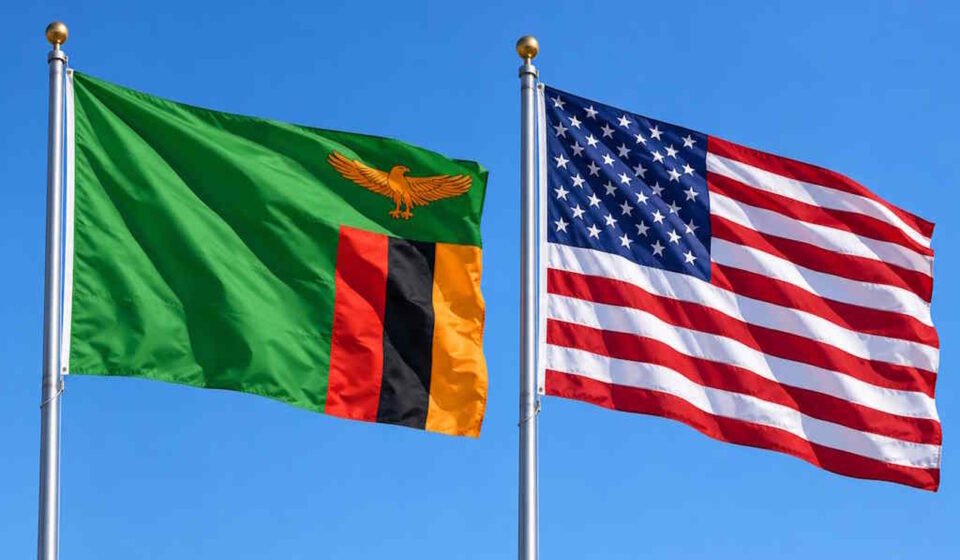
Zambia seals US$1.5 bln US health funding deal as Zimbabwe rejects terms
Story By Staff Reporter
Zambia will sign a US$1.5 billion health funding agreement with the United States this week. The deal follows a settlement of the dispute over sharing sensitive health data.
Zimbabwe and Ghana will not receive the funding. Both countries turned down the conditions because they feared for the safety of sensitive health data. Both now face health financing gaps that their national budgets cannot close alone.
Zambia resolves its objections
Zambia first refused the deal. Foreign Minister Mulambo Haimbe accused Washington of tying health aid to American economic interests. He pointed to a separate arrangement that would give the US access to Zambia’s critical minerals.
On Tuesday, Zambian authorities said they had cleared the hurdles over the US request for medical data. The agreement will now go ahead.
“The government is pleased to announce that it will sign the agreement on Thursday,” Health Minister Roma Chilengi said.
What the deal includes
The US will provide US$1.5 billion for health over five years. Zambia will contribute US$2.1 billion. Washington already funds much of Zambia’s HIV/AIDS, malaria and public health work.
Like several other African states, Zambia objected to the original US demand for broad access to medical data. Chilengi said both sides have since narrowed those provisions. Data-sharing will now be “limited to providing information required to monitor and evaluate US-funded health programs.”
He added that the US has dropped an earlier clause. That clause would have forced Zambia to hand over patient medical specimens on request.
Why Zimbabwe said no
Earlier this year, Zimbabwe rejected a US$367 million health funding offer. The government called the terms “lopsided” and said they breached national sovereignty. It objected most strongly to the rules on sensitive health data and biological samples.
Washington had demanded unrestricted access to epidemiological data and citizens’ biological samples. It wanted them for research and commercial use.
Zimbabwe faces a funding gap
The US will end all bilateral health funding to Zimbabwe by the end of September. That date falls just before the malaria season starts. The country now faces serious shortfalls in its health budget.
Researchers have warned of the risk. “As a consequence of full PEPFAR withdrawal and no additional government or international support,” Zimbabwe could record more than 75,000 new HIV infections within a year.