

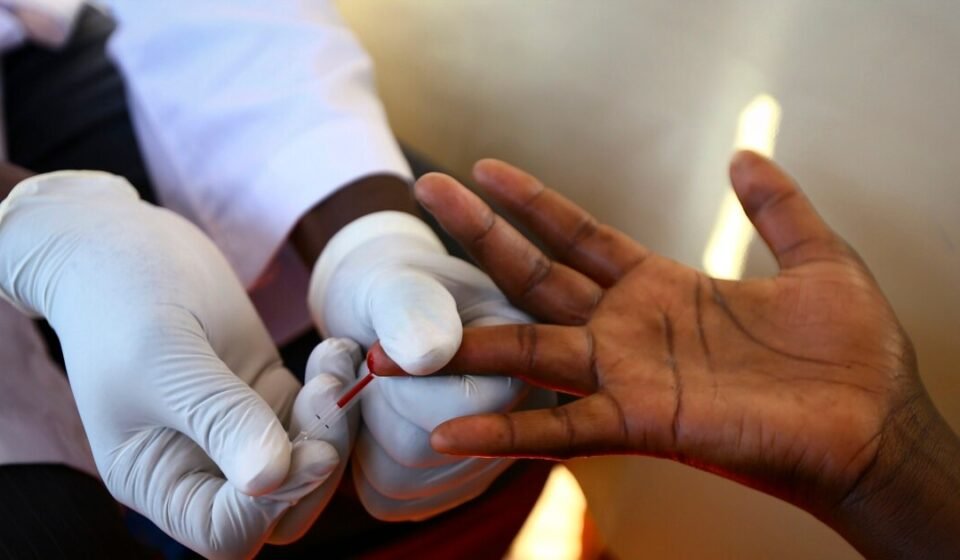
Doctor Warns of Rising HIV Infections and STIs Among Young Zimbabweans
Story By Staff Reporter
Dr Misheck Ruwende has warned that new HIV infections are climbing again among young Zimbabweans, even as the country celebrates major gains in treatment. He made the remarks in a recent interview on health issues affecting the nation.
Zimbabwe’s HIV Success Story
Dr Ruwende first praised Zimbabwe’s progress against HIV. He credits the country’s high literacy rate for much of that success. He said Zimbabwe ranks among the top ten countries in the fight against the virus and may be the best performer in Africa.
According to him, Zimbabwe has surpassed the 95-95-95 targets, and more than 95 percent of people on treatment now have an undetectable viral load. Such patients cannot pass HIV to their partners, which is the “undetectable equals untransmissible” principle. They can also avoid passing it to their children. He added that the country is well ahead of its 2030 targets.
Why Young People Are at Risk
Behind this good news, however, Dr Ruwende sees a worrying trend. He said people aged 15 to 24 now account for about 50 percent of new HIV infections in Zimbabwe, and the share keeps growing. He also noted that young women carry most of the burden, both in Zimbabwe and across Africa.
Dr Ruwende named several possible causes:
- Low risk perception among Generation Z and the “2K” generation
- Risky behaviour linked to drugs, social groups and university parties
- Fading awareness campaigns
He doubts that poverty explains the trend, because poverty has always existed. Instead, he recalled that HIV lessons once appeared in school textbooks and mass media campaigns. Those campaigns have since disappeared, partly because Zimbabwe has been winning the fight. He therefore urged authorities and families to educate young people again.
Prevention Tools Are Available
Dr Ruwende stressed that prevention has never been easier. He encouraged partners to test together before having sex. In addition, people at risk can take pre-exposure prophylaxis (PrEP), a daily pill that prevents HIV. An injectable option now exists as well, and he said a study in Africa showed it was 100 percent effective in preventing infection.
“With all these options, how can you then have HIV?” he asked, pointing out that information and tools are widely available.
Test for STIs Every Year
Dr Ruwende also called on Zimbabweans to test for sexually transmitted infections (STIs) once a year. He explained that most people with an STI show no symptoms, so they often learn of the infection late. Many Zimbabweans, he added, tend to visit the hospital only when problems become severe.
Antibiotic Misuse Fuels Resistant Gonorrhoea
The doctor linked the misuse of antibiotics to a growing problem of drug-resistant gonorrhoea in Zimbabwe. People often take antibiotics such as amoxicillin for flu, which is a viral illness. Others stop their course after three or four days once they feel better. Both habits, he warned, help bacteria become resistant.
Africa makes very few of its own medicines, so the continent has limited antibiotic options. He therefore urged people to see a doctor, finish every course and avoid self-medication. He also cautioned against so-called “cleansing” of the womb, because the reproductive system cleans itself. Likewise, he said, no aphrodisiac exists, and men with erectile dysfunction should seek medical help. Diabetes is a common cause of the condition.
Regular Check-Ups Save Lives
Beyond HIV, Dr Ruwende pushed for a yearly general check-up that covers HIV, blood pressure, blood sugar and other conditions. He noted that only 12 percent of Zimbabwean women get screened for cervical cancer, although the service is free at public hospitals. HIV puts women at about five times higher risk of the disease.
He also encouraged men to seek help early and to speak up about depression. “There is nothing like dying like a man,” he said, calling the habit of avoiding hospitals a form of toxic masculinity.