
The Cost of Ignoring Oral Health
Story By Staff Reporter
Bleeding gums, a toothache that keeps you awake at night and bad breath are common experiences for many Zimbabweans. Yet for years, most people have only sought dental care once the pain became unbearable. By then, extraction is often the only option left.
A Silent Public Health Challenge
The government has been working to equip public hospitals with dental services from district level. This effort aims to improve access to oral health care across the country. However, the Ministry of Health says a lack of knowledge about the dangers of poor oral hygiene remains a major challenge.
Dentists say the problem starts with awareness. Many people simply do not know that their mouth reflects the health of their whole body.
The Most Common Conditions
Tooth decay is the most common condition dentists see. It affects both adults and children. It is also preventable. Regular check-ups every six months allow dentists to spot small cavities early, before they progress to a toothache.
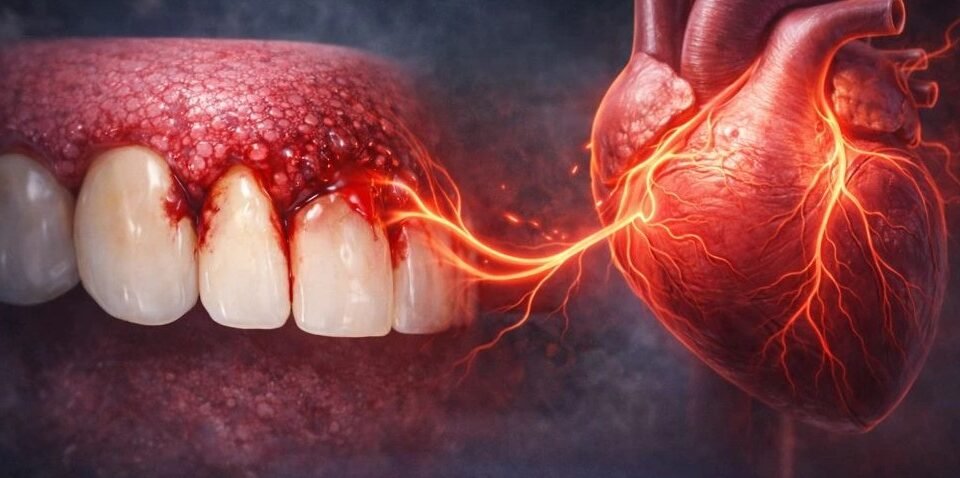
Gum disease is another widespread problem. Most people who have it do not know, because it develops silently. Over time, however, it destroys the support system of the tooth, including the gums, the bone and the ligaments that hold it in place.
Bad breath is also widely reported. Dentists note that it can come from several factors, including nutritional deficiencies and other underlying health issues.
Your Mouth Can Reveal Other Illnesses
According to dentists, most systemic diseases show up first in the mouth. Anaemia is one example. A patient’s gums may look pale instead of the normal healthy red.
Nutritional deficiencies also leave clear signs. Glossitis, an inflammation of the tongue, can point to a deficiency. Lesions at the corners of the mouth can do the same. For this reason, a dental visit can reveal problems that go well beyond the teeth.
Tradition, Myths and Misconceptions
In many homes, oral health habits are shaped by upbringing. Parents pass their priorities on to their children. In some communities, people still chew muhacha instead of using a toothbrush. This reliance on traditional and natural remedies often reduces the importance placed on seeing a dentist.
Dentists acknowledge that natural treatments were once the main option. Today, however, they no longer work well, because modern diets contain a lot of processed food. Some people also believe oil pulling can treat a cavity. Dentists say this has no proven value. Other myths about home cures are equally unfounded.
The Question of Cost
Cost is another major barrier. Medical aid does not cover most dental services, and private dental care is unaffordable for many people.
Dental fees for 2026 remain unchanged, and the charges are as follows:
- Diagnostic services: Initial and periodic examinations, consultations, X-rays and emergency treatment cost between US$5 and US$10.
- Preventative dentistry: Prophylaxis costs between US$10 and US$20, depending on the patient’s condition and age.
- Extractions: A single extraction costs US$10, while a full clearance ranges from US$35 to US$50.
- Restorative dentistry: Composite restorations cost US$30 per tooth. Simple fillings for children remain at US$10.
Awareness Is Slowly Improving
Many people still fear dental visits or associate them with trauma. Even so, dentists report some improvement in awareness. Social media has played a role. Cosmetic reasons, such as teeth whitening, have also drawn more people to the clinic.
Dentists continue to urge Zimbabweans to go for routine dental care every six months. They describe oral health as the gateway to overall health. In the end, a small check-up fee today is far cheaper than the pain, and the extraction, that waiting can bring.