

Tobacco Planting Starts as El Niño Fears Grow
Story By Staff Reporter
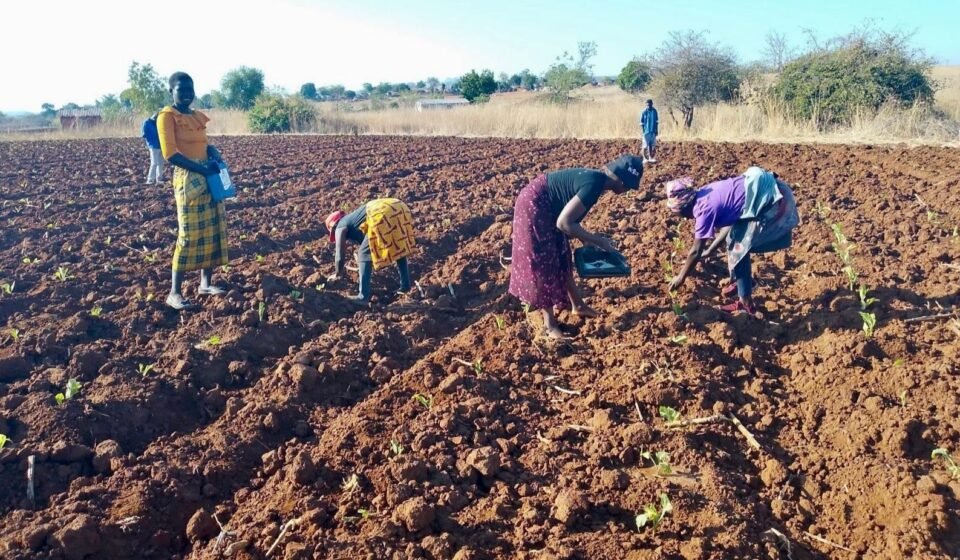
Tobacco farmers across Zimbabwe have started planting dry land tobacco. They are aiming for 360 million kilograms this season. However, forecasts of El Niño-induced dry spells have raised concerns about water availability and productivity.
Planting Under Drought Threat
Growers began planting their rain-fed crop on 2 October. At Kutsaga, an agronomist said the team prepared the field early. As a result, they conserved a lot of moisture while the rains were still falling.
He warned that farmers could still face drought in the coming weeks. Nevertheless, he urged growers to stay calm. “El Niño does not mean drought,” he said. He explained that some areas may receive flash floods from cyclones, while others will turn hotter and drier.
Water in the Planting Holes
Farmers should apply five to ten litres of water in each planting hole. This brings the soil to field capacity, so the seedling never sits in a dry zone. Moist soil throughout the hole helps the crop establish well.
Choosing the Right Variety
The best variety depends on the region. In Mashonaland East, for instance, growers can plant fast-growing varieties such as KRK 26. Medium-to-fast varieties such as KRK 76 also suit the area.
In hotter areas, including Mashonaland West, Karoi, Masvingo and Gwanda, the agronomist recommends slow to medium-growing varieties. These include KRK 66, KRK 74, KRK 29 and KRK 28. Such varieties give growers breathing space. They also reduce the risk of losing the crop to fast ripening.
Wet Ripping and Tie Ridging
To cut drought risk, farmers can combine three methods. First, they rip between the ridges with a single ripper tine to a depth of 45 centimetres. This lets rainfall seep deep into the soil. In turn, it creates a moisture bank that lasts about six to eight weeks.
Second, farmers tie the ridges by heaping soil between them. This forms small dams that capture rainwater. Third, they dig potholes large enough to hold five to ten litres of water.
Together, these practices slow runoff and keep more moisture in the soil. Consequently, the crop can benefit for ten to twelve weeks, even in a season like the one forecast.
Prepare, Don’t Panic
The agronomist urged farmers to prepare their land well. Deep ploughing and ripping help rainfall sink into the soil instead of running off. “Farmers must not panic,” he said. “Farmers must be prepared.”