

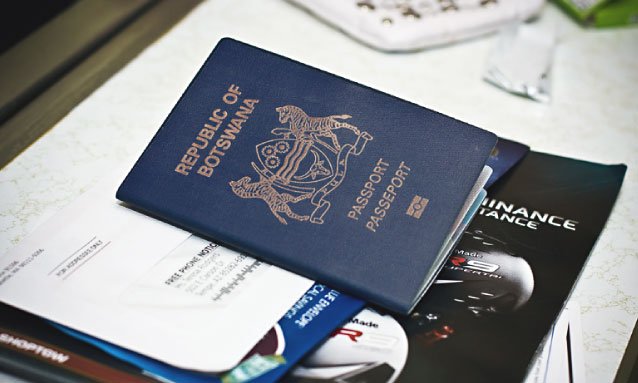
U.S. Visa Operations to Close in Botswana
By Staff Reporter
Starting August 1, 2026, Botswana nationals and residents will no longer be able to process U.S. visa applications in Gaborone. All routine immigrant and non-immigrant visa services are being transferred to the U.S. Consulate General in Johannesburg, South Africa — part of a sweeping restructuring that is ending routine visa processing at roughly 25 U.S. diplomatic posts across Africa in favor of about 20 regional hubs.
Why the Change Is Happening
The U.S. State Department has framed the move as an efficiency and security measure — consolidating staff and resources into fewer, higher-capacity locations to apply more consistent screening and vetting standards. U.S. Ambassador to Botswana Howard Van Vranken has said the decision is part of broader efforts to manage immigration challenges and ensure travelers comply with U.S. entry laws.
Botswana’s government has pointed to a related set of pressures behind the tightening relationship: a rise in asylum claims filed by Batswana in the United States, and cases of visa condition violations. Those concerns arrive on top of a visa bond program introduced for Botswana nationals in January 2026, which can require B1/B2 visa applicants to post a bond of up to $15,000 before a visa is issued.
Why Johannesburg
Johannesburg was a natural pick for a regional hub given its existing consular infrastructure and capacity compared with many other capitals in the region — it’s already one of the designated hubs serving Central and Southern Africa, alongside Cape Town. Practically, this means Botswana applicants will need to complete applications online in advance and then travel to South Africa for the in-person interview and biometric steps that a visa still requires.
What Applicants Need to Know
- Effective date: Appointments for visas on or after August 1, 2026 must be scheduled at the designated hub location — Johannesburg, for Botswana applicants.
- Application process: Online application steps remain the same; only the in-person interview and biometric collection move to Johannesburg.
- Emergency cases: Limited emergency consular services may still be available through the U.S. Embassy in Gaborone — applicants with urgent situations should contact the embassy directly.
- Existing restrictions unaffected: The visa bond requirement and other existing entry restrictions remain in place regardless of where the application is processed.
The Cost to Ordinary Applicants and Businesses
Beyond the paperwork, the practical burden falls on individual travelers and businesses. Anyone needing a U.S. visa — a student, a businessperson, a family visiting relatives — now faces the added time and cost of a cross-border trip just to reach an interview. For a country whose economy depends in part on business travel and investment ties with the U.S., that added friction is a real concern, even if difficult to quantify immediately.
Because Botswana’s economy is far smaller than the United States’, it has little practical leverage to respond in kind — imposing matching restrictions on U.S. visitors would risk discouraging exactly the kind of American investment the country wants to keep.
The Bigger Picture
This is not a Botswana-specific decision — it’s one piece of a continent-wide consolidation that’s also closing routine visa services in cities like Durban, Harare, Lusaka, and Maputo, among others. Framed against tighter overall U.S. immigration policy in 2026 — including expanded visa bond requirements and entry restrictions tied to Presidential Proclamation 10998 — some analysts see the shift as part of a broader move toward more transactional, security-focused U.S.–Africa relations, rather than a Botswana-specific grievance.
That reading has led some commentators to argue African states would be better served by deeper regional coordination — through bodies like SADC — rather than negotiating individually with larger powers on trade, mobility, and diplomatic terms.
Do you think regional blocs like SADC currently have enough coordinated leverage to negotiate effectively against unilateral visa policy changes from major powers — or is that still aspirational?