

Chivayo Wins: The Lion Finally Bows Down
By Staff Reporter
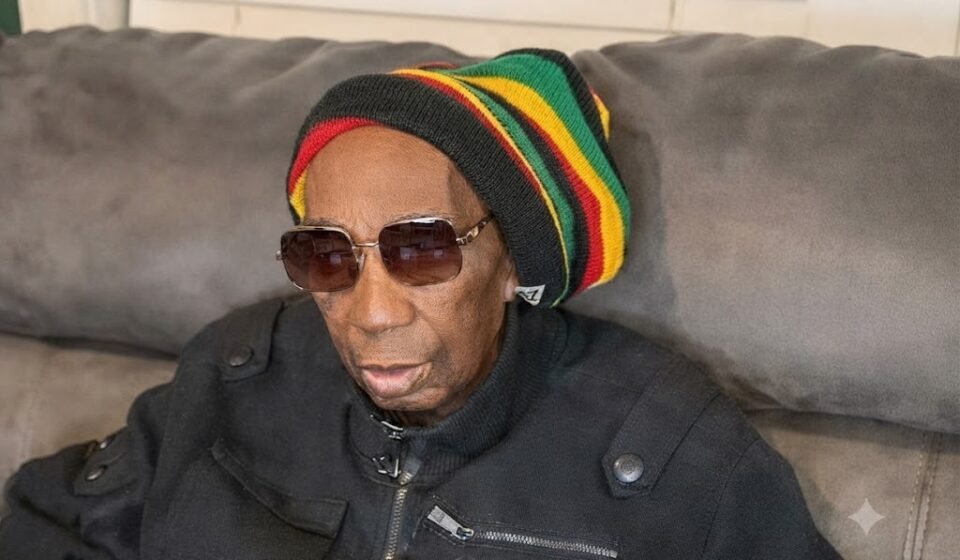
For over half a century, Thomas “Mukanya” Mapfumo has stood as one of the most consequential figures in Zimbabwean music and political culture. As the architect of Chimurenga music — a fusion of traditional Shona mbira rhythms and electric guitar — he became a voice of the liberation struggle and, later, one of the sharpest critics of the post-independence establishment. As of mid-2026, that legacy has run into a genuinely complicated moment: Mapfumo has confirmed he’ll return to Zimbabwe to perform at two events funded by businessman Wicknell Chivayo, a figure he had publicly rejected money from just two years earlier.
A History of Defiance
Mapfumo’s relationship with Zimbabwe’s political establishment has never been simple. In the 1970s, his music soundtracked the liberation struggle, and it led to his imprisonment under the Rhodesian government. After independence, his optimism curdled quickly into criticism — tracks like Corruption (1989) turned his lyrics against the very leaders he’d once supported. His outspokenness against Robert Mugabe’s government eventually pushed him into a long, self-imposed exile in the United States, cementing a reputation as an artist who refused to soften his politics for comfort or access.
The Rejected Offer
The tension between Mapfumo and Chivayo — a businessman closely associated with immense wealth and political connections — came to a head in 2024, when Chivayo offered Mapfumo a package reportedly worth US$500,000–700,000, including a luxury vehicle and a furnished house, apparently as a gesture tied to reconciliation with Zimbabwe. Mapfumo rejected it outright, publicly describing the money as “dirty” and declining to have his name associated with it.
The 2026 Deal
The situation shifted this year. In early July 2026, while publicly celebrating musician Jah Prayzah’s birthday, Chivayo pledged to pay Mapfumo US$500,000 to perform at Jah Prayzah’s anticipated wedding, or US$1 million for a performance at Chivayo’s own birthday celebration if the wedding performance didn’t happen. Within days, Mapfumo confirmed — in a video shared by Chivayo — that he would travel to Zimbabwe to perform at both events, with Chivayo publicly committing to pay a combined US$1 million, describing it as a record fee that would make Mapfumo the highest-paid musician in Zimbabwean history.
Mapfumo has been explicit about how he frames the arrangement: this is payment for professional performance work, not a personal gift, and he has described his return as strictly professional rather than politically motivated.
Why the Same Man’s Money Reads Differently This Time
The core of the controversy is the contrast between the two offers. The 2024 package looked, to Mapfumo and many observers, like an attempt to buy reconciliation or silence from a man whose wealth has long been a subject of public scrutiny in Zimbabwe. The 2026 arrangement is structured differently: a commercial fee for a defined professional service, at a rate that reflects Mapfumo’s stature rather than functioning as a personal favour.
Whether that distinction is meaningful or just a more palatable framing of the same underlying transaction is exactly what’s dividing public opinion. Some commentators have pointed out an inconsistency in how the public has reacted to Chivayo’s money in different contexts — the same funds, one argument goes, can’t be “dirty” when it pays a musician and acceptable when it funds other causes people happen to support. Others maintain that accepting any money tied to Chivayo, regardless of the framing, sits uneasily with the image Mapfumo built over decades of principled refusal.
There’s also a simpler, more sympathetic reading: Mapfumo is 81 years old, and a documented Zimbabwean crowdfunding effort to support him after his homestead was reportedly damaged failed to reach even a modest US$5,000 target — a detail some have cited as evidence that public sympathy for aging cultural icons rarely translates into material support, making a large, transparent performance fee a far more defensible option than it might first appear.
The Legacy: Mapfumo and Mtukudzi
Mapfumo’s standing as a pioneering Chimurenga artist rests on his role as a cultural and political disruptor. Where his late contemporary Oliver “Tuku” Mtukudzi built a career on subtler, more metaphorical storytelling focused on social cohesion, Mapfumo’s music was confrontational by design — a instrument aimed directly at power rather than around it. Both approaches shaped Zimbabwean music profoundly; they simply took different routes to get there.
What This Means Going Forward
Whatever conclusion individual fans reach, the deal itself doesn’t erase Mapfumo’s history — it complicates it. An artist who spent decades defining himself in opposition to compromise has now accepted a large, public payday from a figure closely tied to the establishment he spent his career criticising. Whether that reads as a fair, practical evolution for an artist in his eighties or as a genuine departure from the principles that built his reputation is likely to remain a live debate among Zimbabweans long after the two performances themselves are over.
Deal figures, quotes, and background details referenced here are drawn from Zimbabwean media coverage and public statements by Wicknell Chivayo and Thomas Mapfumo as of July 2026.