
Faulty HIV & Malaria Kits Spark Outrage in Mozambique
By Staff Reporter
Mozambique’s medicines regulator has ordered an immediate, nationwide suspension of five rapid diagnostic tests for malaria, HIV, and HIV/syphilis, after health authorities found serious flaws that could lead to incorrect diagnoses. The order affects every pharmacy, hospital, and distributor in the country.
What Was Suspended, and Why
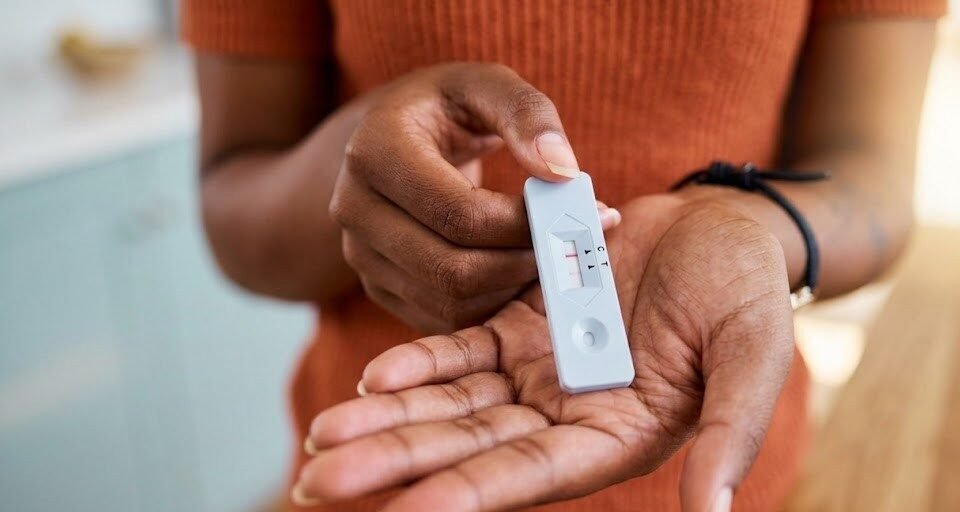
The National Medicines Regulatory Authority (ANARME) suspended the commercialization and use of five tests manufactured by the Indian company Meril Diagnostics Pvt. Ltd., along with the HIVFIND home self-test for HIV. The affected products include malaria antigen tests, an HIV 1-2 test, and a combined HIV/syphilis antibody test.
The suspension followed two separate warning signs converging on the same conclusion. Mozambique’s National Institute of Health identified non-conformities in the malaria tests specifically, while the World Health Organization separately flagged critical failures in Meril Diagnostics’ quality management system during a Good Manufacturing Practice inspection. WHO had already issued a formal Notice of Concern for the manufacturer in December 2025, months before Mozambique’s own action.
According to Mozambican authorities, the affected tests did not meet the international ISO 13485:2016 standard for medical device quality systems, with problems found in documentation, testing records, and consistency of results.
The Risk to Patients
Regulators say the flaws could produce false negative results in people who are actually infected — meaning someone with malaria, HIV, or syphilis could receive an incorrect “negative” reading. Mozambican health officials describe this as a serious risk that can lead to delayed or missed treatment and, in the most severe cases, worsening illness.
Public health officials in Mozambique have widely used rapid diagnostic tests to expand malaria and HIV screening, particularly in rural areas with limited lab infrastructure — which is part of why this suspension is being treated as a significant setback rather than a routine recall.
What ANARME Is Telling the Public
The regulator’s guidance is direct: all pharmacies, hospitals, and distributors must stop selling or using the affected products immediately and return them to suppliers. Anyone who has one of the affected test kits at home — including the HIVFIND self-test — is advised to stop using it right away and seek an alternative test that is properly authorized by health authorities.
Two general principles are worth underlining for anyone affected:
- Don’t stop treatment on your own. If you’re currently on antimalarial medication or antiretroviral therapy based on an earlier test result, talk to a health provider before making any changes — stopping treatment abruptly can carry its own serious risks, independent of how the original diagnosis was made.
- If in doubt, get retested using a currently authorized test, and raise any concerns about a past result with your healthcare provider rather than assuming the worst on your own.
What’s Still Unclear
Notably, ANARME’s public statement hasn’t detailed how many of the affected test kits were already distributed or how many patients may have been tested with them — nor has a timeline been given for whether Meril Diagnostics could eventually correct the issues and resubmit its products for approval. Mozambican health authorities are directing questions and reports to the Centro de Informação de Medicamento, ANARME’s information center.
The Bigger Question
Beyond the immediate recall, this case raises a familiar question for import-dependent health systems: how did products with quality management failures serious enough to draw a WHO Notice of Concern make it into pharmacies and hospitals nationwide before being caught? That’s likely to be the more consequential story here — not just which tests were pulled, but how the gap in oversight happened, and what changes, if any, follow from it.
Do you think Mozambique’s medicines regulator has been transparent enough about the scale of this recall, or is more disclosure needed about how many people may have been affected?