

Mono-Currency Threat: Your US Dollar Insurance Policy May Not Pay Out in US Dollars
Story By Staff Reporter
Many Zimbabweans pay insurance premiums in US dollars. They expect a US dollar payout in 10 or 15 years. But Zimbabwe will one day move from a dual-currency system to a single currency. That raises a worrying question: what happens to those contracts?
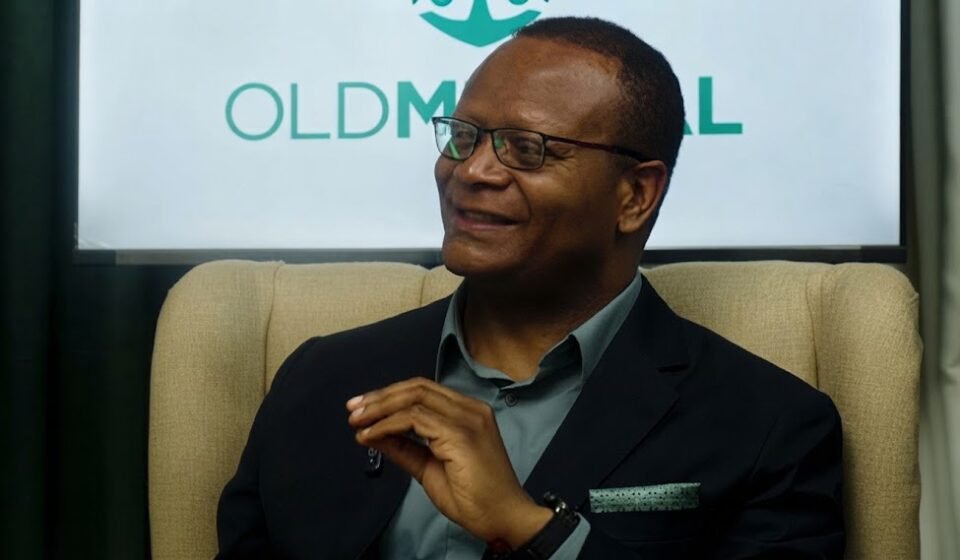
Old Mutual Zimbabwe Group CEO Sam Matsekete addressed the issue on the Insurance Explained programme. The host was Andy Hodges, and the show is brought to you by the Insurance Institute of Zimbabwe.
What is grandfathering?
Grandfathering means that existing contracts keep the conditions they were signed under, even after the rules change. Authorities have already applied this idea to banking. Matsekete explained that US dollar deposits in foreign currency accounts will remain in US dollars. Likewise, a loan taken in US dollars must be repaid in US dollars.
This approach keeps banks sound because their currencies match. However, borrowers who earn in local currency will need official access to US dollars. Without that liquidity, the system cannot honour the grandfathering conditions.
Why insurance is harder
Insurance follows the same logic, but it adds a complication. An insurer must pay a US dollar policy in US dollars. To do that, the insurer must also earn US dollars from its investments.
Matsekete described the problem clearly. Insurers invest policyholders’ money in property, equities and other real assets. Today those assets generate US dollar rentals and dividends. After the switch, they will generate local currency cash flows instead. In his words, the shape of the assets changes.
Therefore, grandfathering on the policy side needs matching support on the asset side. Otherwise, insurers may hold liabilities in one currency and assets in another.
Possible solutions on the table
Hodges suggested one option. Insurers could ring-fence each policy’s US dollar value at the moment of the switch. After that, the contract would continue in local currency. Matsekete said a policy that crosses over faces three practical choices:
- close the US dollar policy and set its value aside;
- open a new local currency policy to serve the same need; or
- convert the accumulated value into future annuity payments.
Meanwhile, the industry has started preliminary work. Guided by the Insurance and Pensions Commission, insurers are ring-fencing contributions and investments. For example, they can separate money paid in ZiG from money paid in US dollars. Matsekete called this a good starting point, but not the final answer. He said government, the central bank and the industry must all work out the rest together.
Lessons from 2018 and 2019
Matsekete also pointed to the 2018–2019 currency split. At that time, authorities ring-fenced foreign currency in bank accounts, which led to the Nostro accounts. However, other investments, such as unit trusts funded with offshore money, did not receive the same treatment.
He argued that regulators should not repeat that gap. Banking deposits, loans, insurance policies and investments belong in the same bracket. In his view, regulators should treat financial services holistically, covering both short-term and long-term insurance.
It is about value, not just currency
Matsekete stressed that people who ask for US dollars are really asking for value. They want to know they can still buy land, property and other tangible assets. If people can do that with local currency at fair prices, the currency matters less.
For this to happen, the economy must meet the Reserve Bank’s eight conditions for moving to a single currency. These include stable prices and a stable exchange rate. They also include containing the gap between official and parallel market rates. If those fundamentals hold, he said, competent insurers can generate real returns in any currency.
Rebuilding confidence after hyperinflation
Hodges raised the biggest obstacle: confidence. Many Zimbabweans lost value during hyperinflation, so they now associate insurance with loss. Matsekete agreed that the industry must treat clients with care. He described Zimbabweans as traumatised by that period.
He also offered a reminder. During hyperinflation, everyone lost value, not only pensioners. Shop owners lost stock, and workers saw prices change before they left the store. By contrast, some people gained. Borrowers repaid loans for almost nothing, and some paid off houses with a fraction of their salary.
He also addressed the criticism that insurers kept the money. Property made up about 10 to 15 percent of pension fund assets in good times. After other assets lost their value, property became 65 to 70 percent of the funds. The buildings stayed, but they could not cover 100 percent of the commitments.
Transparency as the way forward
To rebuild trust, Old Mutual now involves clients in investment decisions. Clients can share their views, such as buying cattle or goats. Then the company explains the risks, including disease, falling demand and climate threats. In this way, clients understand why decisions are made.
Low insurance uptake remains a concern
Hodges noted that few young Zimbabweans hold policies. He estimated that 90 percent of Zimbabweans have no pension, medical or life cover. He called insurance a social safety net that supports a prosperous economy. Matsekete welcomed the steady rise in uptake and said it shows people see value being created.
The outlook
Matsekete ended on an optimistic note. He said the economy can deliver more than it does today, and that the insurance sector has already generated competitive returns for policyholders. Provided the fundamentals hold, he expects policyholders to keep their value after the transition.
Hodges offered a message for worried policyholders. The industry, government and other sectors are discussing solutions so clients do not lose value.