

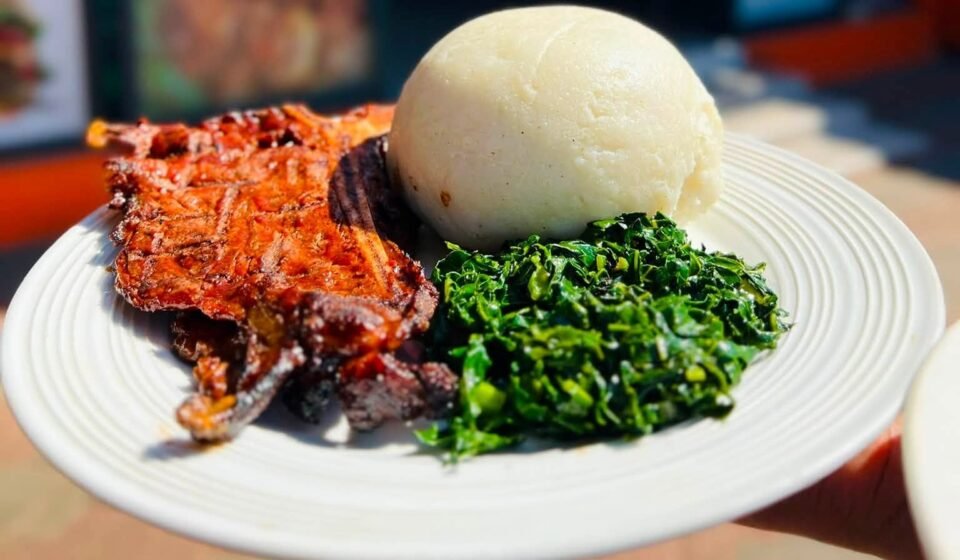
Sadza or Isitshwala? The Zimbabwe Menu Debate
By Staff Reporter
A social media call for Bulawayo restaurants to swap “sadza” for “isitshwala” on their menus has turned into one of the more revealing national conversations Zimbabwe has had about language, region, and identity in recent memory. What started as a suggestion about menu wording has become a mirror held up to how tangled — and how shared — Zimbabwean culture actually is.
The Case for “Isitshwala”
For supporters of the change, this isn’t really about a menu — it’s about representation. Matabeleland is not Mashonaland, the argument goes, and using local language on local menus is a basic form of respect. The core of the sentiment, as one commenter put it, is that amaNdebele shouldn’t have to call it sadza when they already have their own name for it. Framed this way, the debate is less about food and more about whether Ndebele identity gets the same visibility Shona identity does by default in national life.
The Case for Keeping “Sadza”
The opposing view leans on practicality rather than principle. Language, in this reading, follows convenience rather than policy — “the easier way wins,” as one widely shared comment summarized it. There’s a factual anchor to this side of the argument too: sadza has been recorded in English-language use since at least the 1890s, and the Oxford English Dictionary’s earliest citation for the word dates to 1899, borrowed directly from Shona. For many, that history is exactly why “sadza” functions as the internationally recognized term regardless of region.
Others point out the irony that Zimbabweans already borrow across languages constantly, without controversy. Shona speakers say “manje” instead of “zvino,” call a grandmother “gogo” instead of “sekuru,” and use “lobola” and “Ubuntu” comfortably even though direct Shona equivalents exist. Language crossing lines, in other words, is already the norm — not the exception.
Same Meal, Different Word
Strip away the politics, and the dish itself doesn’t change. Whether it’s called sadza, isitshwala, nsima, or pap, it’s the same maize-meal staple eaten across the region — in fact, within Zimbabwe alone it’s known as sadza in Shona and isitshwala in Ndebele, alongside related regional names like ugali further north and pap in South Africa. That’s the point critics of the campaign keep returning to: does the name on a menu change the taste, or the value the meal holds for the people eating it? Several commentators argued the country’s energy would be better spent on economic concerns than on what they see as a symbolic fight. Restaurant owners, for their part, generally say their priority is serving a mixed clientele — and some have suggested a practical middle ground: listing both names, or using pictures so language never becomes a barrier to ordering.
What the Debate Actually Reveals
The most interesting part of this conversation isn’t the disagreement — it’s how much shared ground it exposes. Shona speakers routinely carry Ndebele surnames through intermarriage; Ndebele speakers in rural areas often use “sadza” without a second thought. Zimbabwean identity, in practice, has never been as neatly divided as a menu debate might suggest.
Where This Leaves the Menu
There’s no single right answer here, and that’s arguably the healthiest way to read the debate: taking pride in a home language and sharing a common table aren’t in conflict. Whether a restaurant prints “sadza” or “isitshwala,” what’s on the plate remains a shared national staple — which may be the more useful thing to build on than the word itself.
What do you think: does using local language on a menu matter as a form of cultural respect, or is this a case of over-complicating a term that’s already become a shared national word?