

When Parliament Becomes a Private Enterprise
By Staff Reporter
In a functioning democracy, a Member of Parliament is supposed to be a bridge — connecting the corridors of power to the streets where their constituents actually live. In Zimbabwe, the prevailing sentiment among many citizens is that this bridge has effectively collapsed, replaced by a political culture that prioritizes comfort and self-interest over urgent public need. The complaint isn’t confined to one party or the other — across the political spectrum, the frustration on the ground is remarkably consistent: politics increasingly looks like a business, and ordinary citizens bear the cost.
A Disconnect in Priorities
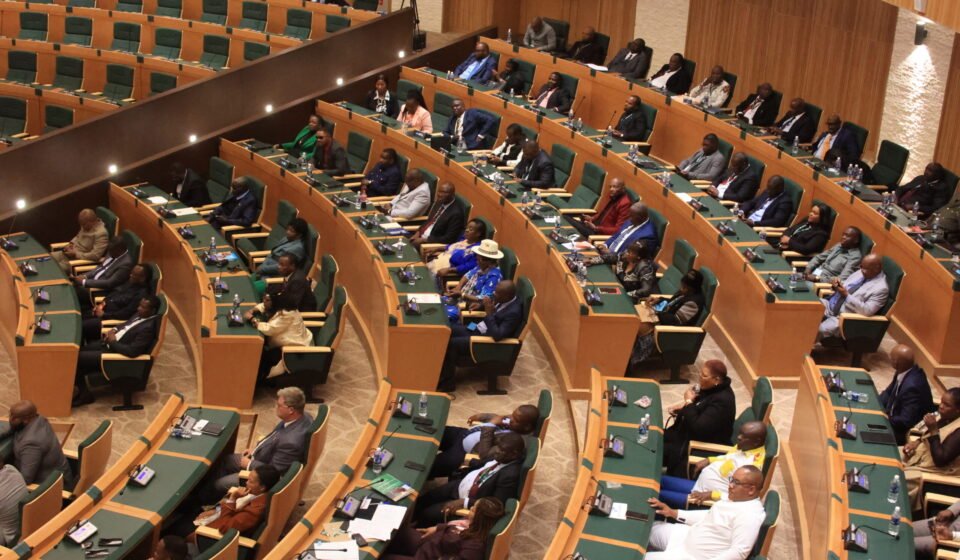
The gap between the legislative agenda and everyday reality is hard to ignore. While communities in areas like Stoneridge and Hopley have dealt with preventable public health problems — including reported scabies outbreaks — attention inside the New Parliament Building has, at times, turned to matters like high-speed Wi-Fi access and other perks for members. Set against the state of public health infrastructure, the contrast is difficult to defend.
There’s also a recurring criticism of parliamentary “seminars” — events that, critics argue, rarely produce tangible policy outcomes but reliably generate allowances for attendees, under the banner of “capacity building.” Similarly, the issue of street children tends to resurface in parliamentary debate cyclically, without translating into sustained, actionable policy.
Patronage and the Politics of Gifts
Money’s influence on politics is not a uniquely Zimbabwean problem, but recent, widely reported instances of businessman Wicknell Chivayo giving MPs cash, vehicles, and other gifts have drawn sharp criticism as a troubling precedent. The concern isn’t just about individual integrity — it’s about what sustained patronage does to parliamentary oversight itself, when the people meant to hold power accountable become financially entangled with the people they’re supposed to be scrutinizing.
What makes this more concerning to critics is the pattern appearing among newer, younger MPs — the generation that might have been expected to break from old habits instead appearing to adopt them quickly, with luxury vehicles and gadgets from private donors increasingly treated as markers of political “success.”
Development as Optics
Another recurring critique: the rise of what might be called “showcase development” — a borehole drilled or a few bags of maize donated, then broadcast on social media for political visibility. Real, systemic development — hospitals, sustainable jobs, functioning roads — doesn’t need a photo opportunity; it’s typically slower, less visible, and harder to turn into a social media moment. When constituents are treated more like recipients of charity than citizens owed policy, critics argue, it can signal that an MP’s core work — policymaking and executive oversight — isn’t being done.
The Case for Local Self-Reliance
The broader argument here is a pragmatic one: citizens who feel let down by promises from the top increasingly can’t afford to wait for change to arrive from Parliament. Community-led initiatives and grassroots organizing are, in this view, proving more reliable than depending on elected officials to deliver.
The comparison often drawn is a stark one — the architectural scale of the new Parliament building set against the condition of public hospitals says something, critics argue, about where national priorities currently sit: infrastructure of power rather than infrastructure of daily life.
What Accountability Could Look Like
Proponents of reform point to a few concrete steps that could shift incentives:
- Independent auditing — non-partisan, rigorous review of parliamentary expenses and performance
- Anti-patronage laws — clear restrictions on MPs accepting gifts from private individuals or corporations, to reduce conflicts of interest
- Constitutional vigilance — public attention on proposed amendments that could extend terms or consolidate power, since these changes tend to benefit a small political elite rather than the electorate at large
It’s difficult to rank Zimbabwean MPs against regional counterparts given how different each country’s economic and political conditions are — but by the basic measure of human development outcomes, critics argue the record speaks for itself.
A Question Worth Sitting With
Would mandatory performance contracts for MPs — with the possibility of recall by constituents for failing to deliver — actually shift incentives toward public service? Or would a mechanism like that simply be captured by the same political dynamics it’s meant to fix? It’s a question without an easy answer, but one increasingly worth asking as the gap between Parliament and the public it represents continues to be felt on the ground.