

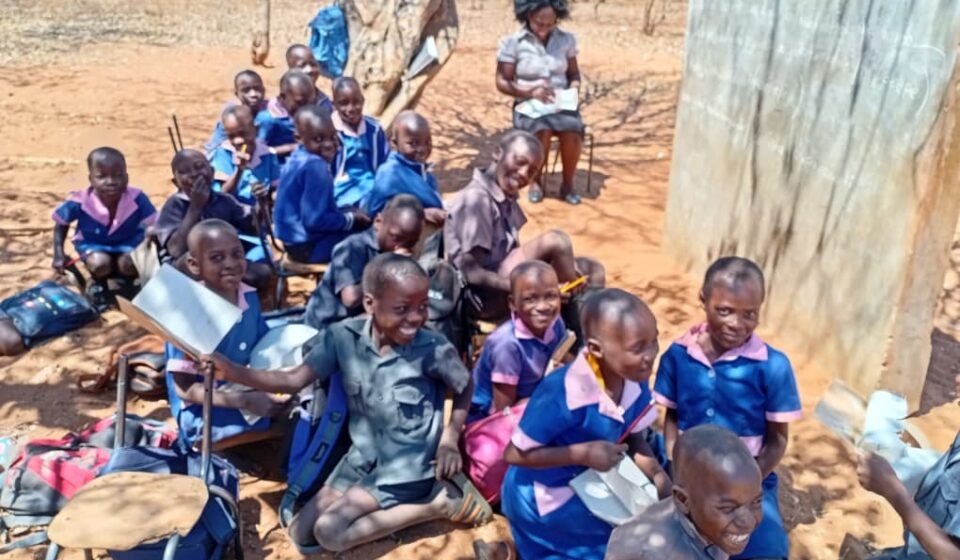
Binga District: 71 Primary and 30 Secondary Satellite Schools Await Registration
Story By Staff Reporter
Thousands of learners in Zimbabwe’s remote and rural communities attend classes at satellite schools. These are community-established learning centres that often start as extensions of existing schools. The Minister of Primary and Secondary Education, Honourable Torerayi Moyo, has said the government intends to bring them into the formal system.
What the Minister Has Said
The Ministry has indicated that all satellite schools will be registered once the minimum operating standards set by the Ministry of Primary and Secondary Education are in place. Registration is therefore tied to the quality of the learning environment, not only to the existence of a school.
Satellite Schools in Binga
Binga District, in Matabeleland North, has been highlighted as an example. According to the Ministry, 71 primary schools and 30 secondary schools there currently operate as unregistered satellite schools. Many of these were set up by communities that wanted children to learn closer to home instead of walking long distances.
Registration matters because it can open the way to formal recognition, proper planning, and support for infrastructure, teaching resources, and learner welfare.
Joint Monitoring Tours
The Ministry conducts routine joint monitoring visits with partners in the Global Partnership for Education (GPE) network, including UNICEF, UNESCO, World Vision, and Plan International. These tours aim to identify:
- Infrastructure gaps, such as classrooms, sanitation, and learning spaces
- Connectivity challenges, including Wi-Fi access for digital learning
- Inclusion needs, so that girls, children with disabilities, and other vulnerable learners are not left behind
Findings from these visits help the Ministry and its partners decide where to direct attention and resources.
Why Minimum Operating Standards Matter
Minimum operating standards are meant to ensure every learner, wherever they live, has a safe and supportive place to study. Requirements typically cover the school environment, facilities, and the capacity to deliver the curriculum. Meeting them is the step that moves a satellite school from informal to registered status.
What This Means for Communities
- For parents: The commitment signals a pathway to formal recognition for community-run schools.
- For school development committees: Working with local education officials to understand the standards is a practical first step.
- For development partners: Joint monitoring offers a framework for targeted support.
Looking Ahead
Registering satellite schools depends on closing infrastructure and resource gaps, which takes coordination between government, partners, and communities. The Ministry’s stated approach pairs regular monitoring with a clear condition for registration.
Disclaimer: This article is for general information and is based on statements attributed to the Ministry of Primary and Secondary Education. For official guidance on registration requirements, contact your local District Schools Inspector or the Ministry.