
Zimbabwe Decentralises Teacher Recruitment and Reaffirms Ban on Paid Extra Lessons
Story By Staff Reporter
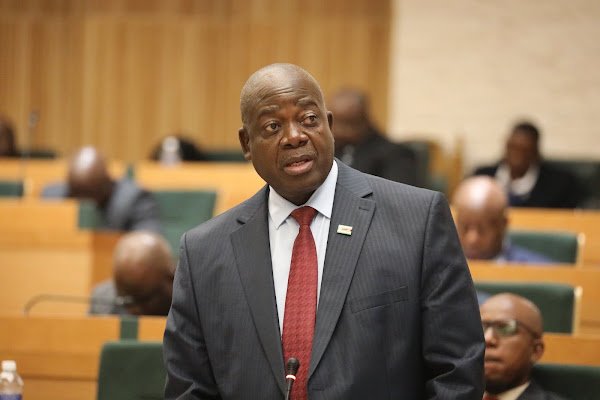
The Minister of Primary and Secondary Education, Honourable Torerayi Moyo, has outlined changes to how teachers are recruited and deployed, along with the government’s position on teacher welfare and paid extra lessons.
Recruitment and Deployment Now Decentralised
Recruitment and deployment of teachers have been decentralised to provincial and district levels. The aim is to give priority to local candidates, especially in remote areas such as Binga, where staffing stability has often been a concern. Hiring locally can help ensure that teachers understand the community, the language, and the context in which they work.
A Transparent Hiring Criterion
The Ministry says hiring follows the chronological order of graduation. Candidates who graduated earlier take precedence over more recent graduates. This gives applicants a clear, predictable rule and limits room for favouritism or irregular practices.
No General Teacher Shortage
The Minister stated that Zimbabwe does not face a general teacher shortage. He attributed the country’s lower teacher-pupil ratios to consistent budget allocations for teaching posts. Local conditions can still vary from school to school, so communities with specific staffing concerns should raise them with district education offices.
Teacher Welfare Beyond Salaries
The government says its welfare focus goes beyond pay. The initiatives include:
- Provision of land for housing for teachers
- Institutional accommodation at or near schools
- Improved working conditions in schools
Decent housing and a supportive working environment are widely seen as important for keeping teachers in rural and remote postings.
Ban on Paid Extra Lessons
The Ministry has reaffirmed that teachers are strictly prohibited from charging fees for extra lessons on school premises. Key points:
- Unpaid remedial support is permitted. Teachers may still help learners who are struggling, provided no fee is charged.
- Charging for extra tuition is not allowed. Offenders face disciplinary and legal action.
How Parents Can Report Violations
Parents who come across illegal paid extra lessons or suspected corruption can report them through:
- District rapid response centres
- The Ministry hotline, 317
Looking Ahead
Together, these measures point to a Ministry approach built on local recruitment, clear hiring rules, better teacher welfare, and protection for parents from unofficial charges. How well they work will depend on consistent implementation at district and school level, and on parents and communities using the reporting channels when needed.
Disclaimer: This article is for general information and is based on statements attributed to the Ministry of Primary and Secondary Education. For official guidance on recruitment, deployment, or reporting procedures, contact your District Schools Inspector or the Ministry.