
Pilot of Second Helicopter Describes Final Flight Before Chivayo Crash: “Official Findings Must Wait”
Story By Staff Reporter
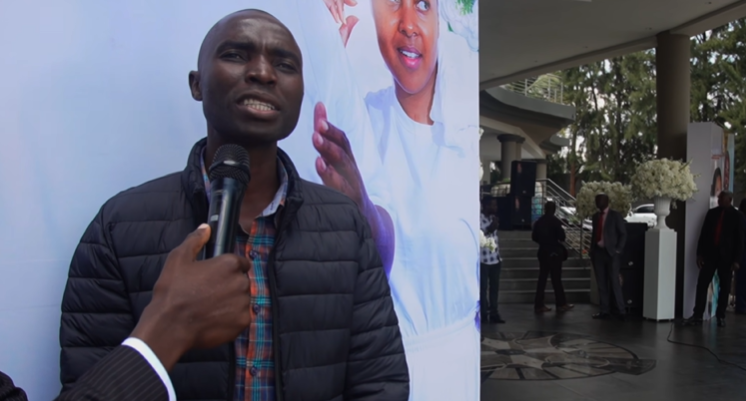
Captain Ronnie, the pilot who flew the second helicopter accompanying businessman Wicknell Chivayo, has given an interview about the flight that ended in the Marondera crash on 30 September 2026. Chivayo, his wife Lucy and three others died in the crash.
This article summarises his account. His statements are his own recollection, and they do not replace the findings of the official investigation.
Coordinating the Flight
According to Captain Ronnie, the crews of both helicopters stayed in contact during the flight to check that the weather was clear. They agreed to meet at a designated point known as Bromly before continuing on their planned route.
Cloud Cover and Loss of Contact
When the helicopters reached Bromly, Captain Ronnie says the crew of the other aircraft reported that they were entering cloud cover. Soon afterwards, communication stopped, as radio and phone signals went down.
Why He Landed in Harare
Captain Ronnie explained that helicopters like his operate under Visual Flight Rules (VFR). Under these rules, they may not fly after dark or in conditions of zero visibility.
With sunset cut-off times strictly enforced, and with no way of contacting the other helicopter, he made the decision to land safely in Harare. His team then planned to return to the area by road.
Reaching the Scene
After the news of the crash reached them, Captain Ronnie and the security team travelled to the site. He said the fog and cloud cover were extremely low and dense, and visibility was under ten metres even on the ground.
He said that seeing the wreckage left him in severe shock, and that members of the security team helped him into a vehicle.
His View on the Cause
Captain Ronnie said he believes poor visibility in dense cloud probably played a part. He stressed that this is his view only. He said official conclusions about the cause must wait for the final report from crash investigators.
Investigation Continues
Police and the Civil Aviation Authority of Zimbabwe are investigating the crash. The cause has not been officially determined, and an intact black box has reportedly been recovered.
How This Fits With Other Accounts
Froster Chisi, Chivayo’s head of security, has also described the pilots’ decision to slow down and change route because of a dark cloud, and the loss of communication that followed. Captain Ronnie’s account is consistent with that, and it adds the pilot’s perspective on the flight rules and the decision to land in Harare.
Key Points
- The two crews agreed to meet at Bromly and kept in contact about the weather.
- At Bromly, the other crew reported entering cloud, and then contact was lost.
- Captain Ronnie landed in Harare, citing VFR rules and sunset cut-off times.
- He says visibility at the crash site was under ten metres.
- He believes poor visibility may have played a part, but says the official report must decide the cause.
This article reports one pilot’s account and does not establish the cause of the crash. It will be updated when investigators publish their findings.