

New camera system a blow for police officers, motorists say
Story By Staff Reporter
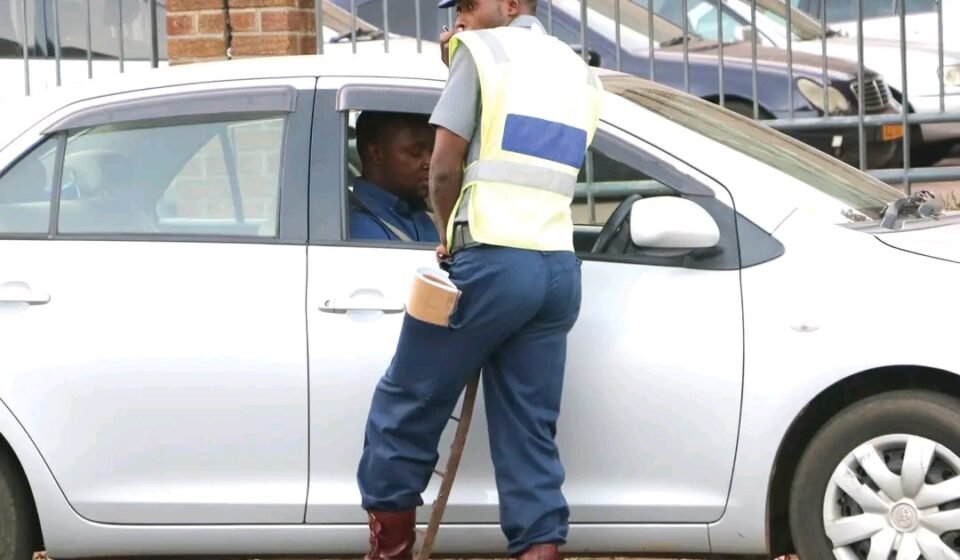
For years, the routine at many Harare intersections was the same. You turned the corner, a uniformed officer stepped out and waved you to the side, and the conversation began: “You’ve committed a serious offence. This is a fine of over $100.” Then came the pause, and the “but maybe we can sort this out here.” A few minutes and a crumpled $5, $10 or $20 later, you drove away. No receipt, no record, and nothing for the state.
That arrangement is now under threat from a camera on a pole.
The ticket arrives on your phone
Under the new Smart Traffic Management System, no one flags you down. Cameras at strategic intersections in the CBD capture the violation, and soon after, an alert lands on your phone with a link. You open it, enter your phone number and vehicle registration, and your ticket appears on your personal dashboard.
The ticket shows:
- Photos and video of the exact moment of the offence
- The location where it happened
- The date and time
- The fine to be paid
Nobody can say “I didn’t see you” or “that’s not what happened.” The evidence is attached, and so is the bill.
$30, or see you in court
The most common fine so far is $30. Pay it by the deadline and the matter ends. Ignore the deadline and you risk being summoned to court, which means more time, more cost and more stress. Red-light cases are even more likely to go straight to court.
Compare that with the old system:
| Old intersection “fine” | Smart camera system | |
|---|---|---|
| Amount | $5 to $20 | $30 |
| Threat used | “Over $100 fine” | Fixed, official fine |
| Evidence | The officer’s word | Photo and video |
| Receipt/record | None | Digital ticket on your dashboard |
| Money goes to | The officer’s pocket | The official system |
| Negotiable | Yes | No |
The old way was cheaper for the motorist in the moment, but it was built on fear and the money never reached the state. The new way costs more per offence, but it is the same for everyone.
Small mistakes, same $30
What surprises many drivers is that the system isn’t only catching the dramatic offences. It catches the small ones too. The most common is changing lanes at an intersection when turning off, a habit so routine that many drivers never thought of it as an offence. An officer might have ignored it, or turned it into a $10 negotiation. The camera ignores nothing.
“A better solution, but…”
At a fuel station near the CBD, one motorist laughed as he scrolled through his ticket.
“We know this is a better solution,” he said. “But let’s be honest, this system will benefit the elites and sideline the police officers who used to receive bribes as fines.”
The people around him laughed because they knew exactly what he meant. For some officers, the intersection was an unofficial income stream. Now the camera has taken that over, and the officer is left directing traffic.
Drive carefully, because the camera doesn’t blink
The message for motorists is simple. This system can’t miss. It doesn’t get tired, it doesn’t look away, and it can’t be talked down from $30 to $10.
- Indicate early and don’t change lanes in the middle of an intersection when turning.
- Stop at red lights, don’t gamble on amber.
- Keep your seatbelt on and your phone down.
- Don’t pick up or drop off passengers at undesignated spots.
- Check your phone alerts, and only use the official platforms (www.paymyfines.co.zw and www.paymyfines.gov.zw) to view and pay.
- Make sure the ownership details on your vehicle are up to date.
Drive carelessly and you won’t be paying one $30 fine but many of them. The camera doesn’t need to scare you into paying. It just records, and it records every time.

Good system. Money must go to state.