

Zimbabwean workers awarded €30k each after arriving in Ireland to find they had no jobs
Story By Staff Reporter
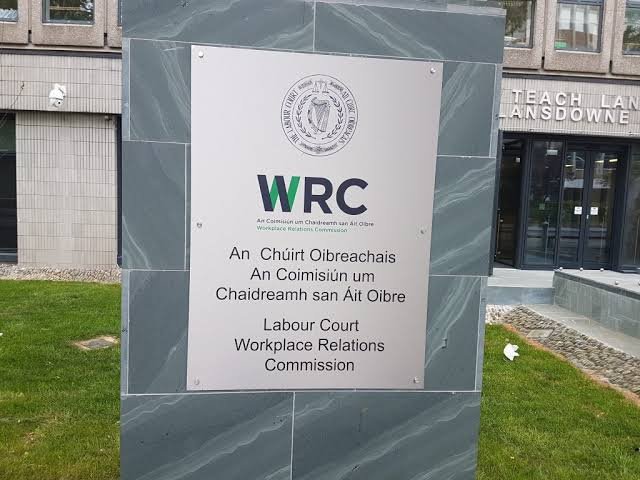
The Labour Court has upheld awards of more than €30,000 each for two Zimbabwean healthcare workers. They travelled to Ireland expecting jobs, but the work never appeared.
Promised jobs at a Cavan centre
Unity Healthcare offered jobs to Tatenda Ncube and Brenda Mubaiwa. The company held a contract with Tusla to provide emergency care to vulnerable children. It told the pair they would work at a centre in Virginia, Co Cavan.
Nine workers took cases
Nine Zimbabwean workers brought claims to the Workplace Relations Commission (WRC). They said Unity left them without work or money for basic bills. They said the company waited almost a year after they arrived to tell them it had lost its contract. No work would follow.
The workers also said they could not take other jobs. Unity delayed the letters they needed under permit rules to work for another employer.
WRC awards the maximum
The WRC ordered Unity to pay the nine workers €273,780 in total, or €30,420 each. That doubled the wages they said they were owed for the six-month period they could claim. It was the most the WRC could order. The WRC called the treatment of the workers “particularly egregious”.
One award overturned
The Labour Court has now published decisions on the first three appeals by the company. It overturned the award to Silibaziso Nondo. She had started work with another company a month before the period her case covered. The court found this ended her employment relationship with Unity. It therefore had no jurisdiction over her claim.
Appeals filed a day late
The court rejected the appeals in the Ncube and Mubaiwa cases. The company filed them one day after the 42-day limit.
Company director Bruce Magama told the court he believed a firm of solicitors was handling the appeals. The firm told him two days before the deadline that it would not. He tried to file them himself in the time left, but he failed. He argued that these circumstances met the “exceptional circumstances” test for an extension.
Deputy chair Niamh McGowan signed the decision. The court said the company gave no valid explanation for the delay. It said the reasons offered did not amount to exceptional circumstances “on any definition”. The court saw no justifiable basis for an extension.
Workers describe hardship
In the original cases, the company said it tried to stop the workers travelling once it realised there would be no work. The workers denied this. They told the court they paid towards permit and accommodation costs in advance. They then had no income, which caused considerable hardship. One worker said there were periods when she was “wondering where you’re going to get your next meal”.
Remaining cases
The court heard the other six cases later and has not yet published its decisions. When the WRC issued its decisions, Pretty Ndawo of the Migrant Rights Centre Ireland called for better protections for workers arriving under the permit system. The centre represented the workers along with DJM Legal.
Reporting based on original coverage by The Irish Times.