

Zimbabwe Targets Zero School Deficit by 2029 with Major Construction Drive
Story By Staff Reporter
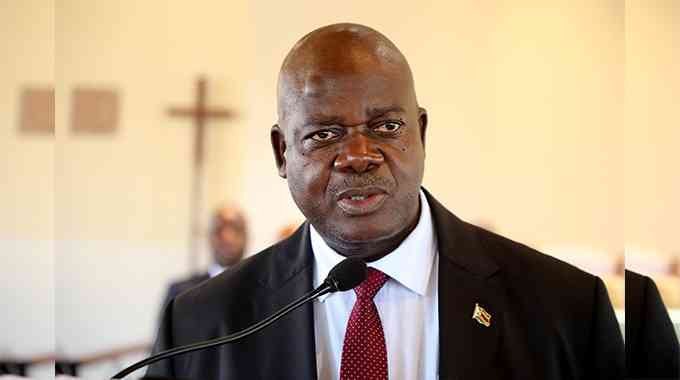
Zimbabwe’s government says it can close the country’s school infrastructure gap within three years. Primary and Secondary Education Minister Professor Torerai Moyo has outlined a large-scale construction programme to eliminate the national school deficit by 2029, with the aim of making sure no child has to travel an unreasonable distance to learn.
Progress So Far
In 2022, Zimbabwe faced a shortage of roughly 3,000 schools. According to the minister, that figure has since fallen to about 1,800. The government says this progress shows its approach is working, but a substantial gap remains, particularly in remote parts of the country.
US$600 Million Secured for 1,350 New Schools
The centrepiece of the plan is a funding package of more than US$600 million, which the government says has been secured to build at least 1,350 new schools. Construction is scheduled to begin in November 2026.
If delivered as planned, the programme would address a large share of the remaining shortfall and bring the government within reach of its 2029 target.
The 5-Kilometre Goal
The main objective of the programme is to ensure that no learner walks more than 5 kilometres to reach a school. Long walks to school affect attendance, punctuality, and safety, especially for younger children and girls. Shorter distances typically mean more children enrolling and staying in school.
Rural and Farming Communities in Focus
Moyo acknowledged that the deficit is felt most sharply in rural and farming areas. He cited one stretch of 43 kilometres with no school at all, an example of the gaps the programme is designed to close.
The minister also promised that the Chikomba District will receive no fewer than five new schools starting next year.
Why It Matters
Access to a nearby school is one of the most basic requirements for quality education. Reducing travel distances can improve enrolment, lower dropout rates, and give children in rural communities fairer access to learning. The scale of this programme also means construction jobs and local economic activity in the areas where the schools will be built.
What to Watch Next
The programme will be judged on delivery. Key questions include whether construction begins on schedule in November 2026, how quickly schools are completed and staffed with teachers, and whether the most underserved districts are prioritised first. Parents and community leaders will likely watch closely to see which sites are chosen.
This article is based on statements by the Minister of Primary and Secondary Education. Figures and timelines are as announced by the government and may change as the programme progresses.