

Harare Will Stop Licensing Traders Without POS Machines
Story By Staff Reporter
Harare City Council says it will stop issuing trading licences to people who operate in the city without a point-of-sale (POS) machine and a valid account with a registered financial service provider.
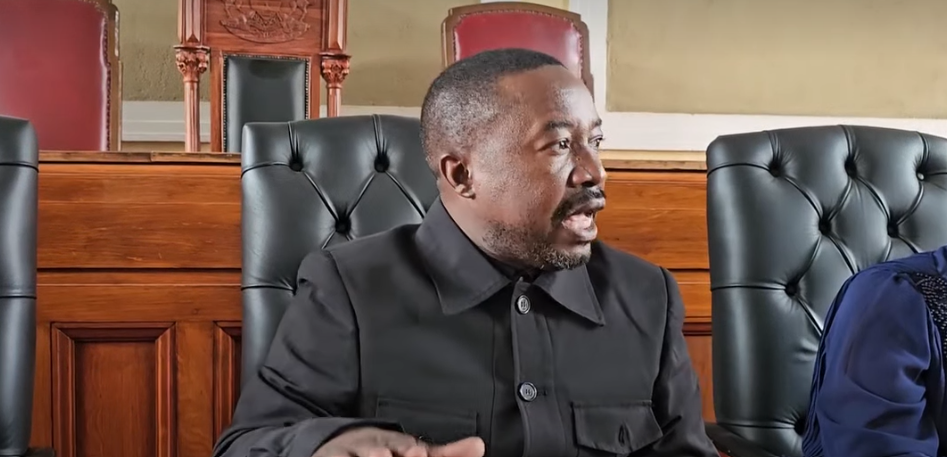
Mayor Jacob Mafume announced the policy during the council’s 1952nd Ordinary Meeting, which he chaired. In a short portion of the proceedings, he said the council would not grant licences going forward to traders who lack these requirements.
What the mayor said
Mafume said a trader will need to show two things to qualify for a licence: a POS machine for accepting payments, and an account operating through a registered financial institution.
He also said the council had held meetings with the Reserve Bank of Zimbabwe Governor and “various meetings” with the Ministry of Finance. According to the mayor, the aim is to register people who trade in the city and give them official licences.
What this could mean for traders
The announcement was brief, and the council has not yet published detailed guidelines. Based on what was said in the meeting, the policy appears to cover three areas:
- Digital payment capability: Licensed traders would be expected to accept payments through POS devices.
- Formal banking: Traders would need an account with a registered financial service provider.
- Formalisation: The council’s stated goal is a register of traders operating in the city, each holding an official licence.
Questions remain about how the policy will work in practice. These include when it takes effect, how existing licence holders will be treated, which institutions count as “registered financial services,” and whether small-scale or informal traders will get any transition support. We will update this article when the council or the relevant ministries release more information.
Why it matters
Many Harare traders, from market stall owners to street vendors, work largely in cash or informally. A requirement for POS machines and bank accounts would move more of that activity into the formal financial system. Supporters of such measures usually argue they improve transparency and make revenue collection easier. Critics often raise concerns about the cost of equipment and bank charges for small operators. How the rules are applied will likely decide which view proves right.